MORE STORIES

Twitter

  • We'll debut some exciting Greg Krum content very soon. Til then, won't you buy some work by one of our fave photogs? http://bit.ly/dAs6Sr
  • Just checked into the Hotel Palomar in Philly. Holy smokes we love this place. They have a pickle plate! And an hour of free wine + popcorn!
  • Sight Unseen is leaving for Philly TODAY! If you have any suggestions for SU-worthy studios and interiors, please send them our way!
  1. 01.29.10
    Technique
    Sarah Illenberger, 3-D Illustrator

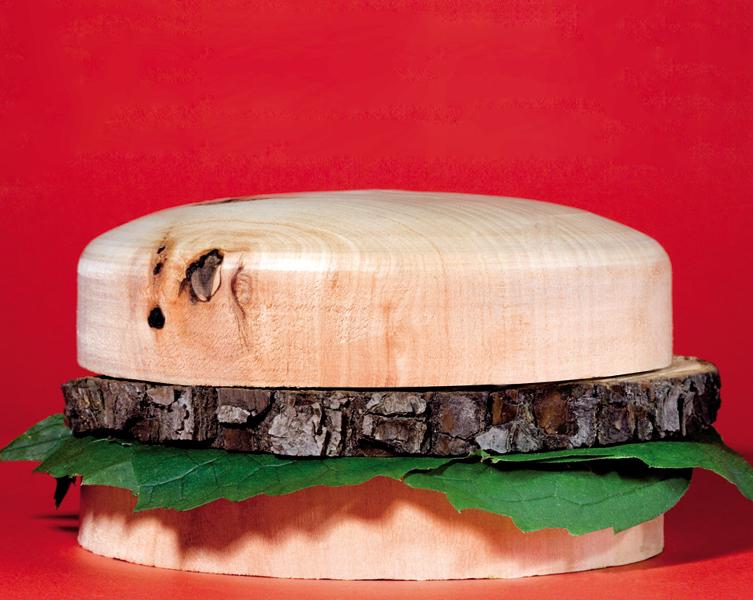
    When Sarah Illenberger picks up the phone, the first thing she does is apologize: There’s a loud, repetitive popping noise going off in the background of her Berlin studio, which turns out to be the firing of a staple gun. She doesn’t say what her assistants are constructing with the staples, but it’s clear they’ll be built up by the thousands onto a substrate until their glinting mass reveals some kind of representational image — a skyscraper, maybe, or a ball of tinfoil. Almost all of Illenberger’s work involves using handicraft to manipulate one thing into looking like something else entirely.

  2. 01.27.10
    At Home With
    Ji Lee, Creative Director at Google’s Creative Lab

    Ji Lee is an artist, a graphic designer, an illustrator, a teacher, and a full-time creative director at Google’s advertising unit The Creative Lab, but he’s probably best known as “the guy with the bubbles.” In 2002, bored by an ad gig, the Korean-born, São Paulo–bred designer launched a public art intervention on the city of New York, slapping blank cartoon speech bubbles next to the actors and models in ads and movie posters around town and waiting for passersby to fill them in.

  3. 01.25.10
    8 Things
    Alejandro Chavetta, art director and collage artist

    For San Francisco graphic designer Alejandro Chavetta, life has in many ways been a series of revisions. Fifteen years ago, he traded his native Argentinean wine country for the hills of San Francisco, and in college, after a false start in journalism, he quickly switched to graphic design. Three years ago he took a post as art director of San Francisco magazine, but he spends his down time obsessively adding to a sprawling, moody archive of Moholy-Nagy–like paper collages. “My job is multiple undos all day in InDesign and Photoshop,” Chavetta says. “I like to do something where I can’t go back.”

  4. 01.22.10
    Excerpt: Magazine
    “The Unknown Photographer,” Letter to Jane: Issue 01

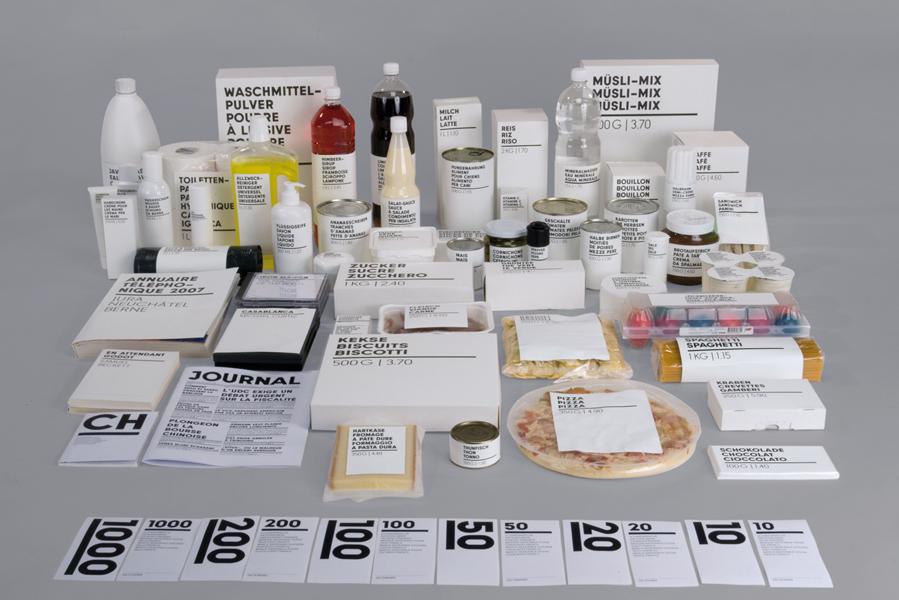
    And just like that, it’s 1991 all over again: The economy is down, unemployment is up, and 20-somethings in the Pacific Northwest, facing diminished postgraduate prospects, are pouring their energy into small, independent ’zines. We were recently introduced to a new one out of Portland, Oregon, called Letter to Jane. With interviews and features on the likes of Passion Pit, Yoko Ono, and Hedi Slimane, it fits the ‘zine mold to some extent, but it’s elevated by the singular vision of Timothy Paul Moore, the 25-year-old photographer who devised and designed the project and whose ethereal images comprise more than two-thirds of the 180-page book.

  5. 01.20.10
    Excerpt: Book
    Neuland: The Future of German Graphic Design

    The editors of Neuland, a recent compendium of up-and-coming German graphic designers, struggled with all the usual big, philosophical questions while putting their book together: What is German design? What is German? Who cares? If they were Ellen Lupton or Steven Heller, they might have spent pages upon pages ruminating on these issues. Instead, they did what any editors who are actually designers by trade might do — they asked their 51 subjects for the answers.

  6. 01.15.10
    The Making of
    The Rosshaar Mattress by Daniel Heer

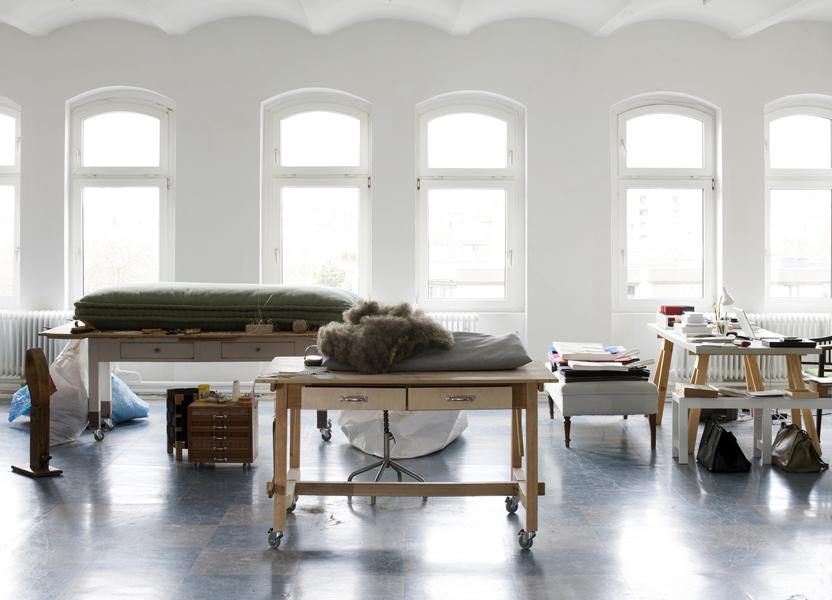
    From birth, Daniel Heer was groomed to take over his family’s leather- and mattress-making business. He learned the necessary skills early on, honing them through an adolescence spent at the Heer workshop in Lucerne, Switzerland, watching his father and grandfather work. His post-secondary education focused on one thing and one thing only: how to ply his trade. And then when he moved to Berlin at age 20, he left it all behind.

  7. 01.13.10
    Up and Coming
    Julien Carretero, Product Designer

    Julien Carretero’s work invites metaphor the way cheese fries beg to be eaten — make a bench that’s perfectly shaped in front and slowly morphs into chaos in back, and suddenly it could be about anything: humans’ ultimate lack of control over the universe, politics, the pressure to succeed, mullets. For the Paris-born, Eindhoven-based designer, though, it’s mostly just about one thing.

  8. 01.11.10
    The Making of
    The Linz Stool by Thomas Feichtner

    You don’t have to stare at Thomas Feichtner’s work for very long to detect a theme — facets and folds everywhere, on desk lamps, chairs, teapots, even a set of futuristic cutlery. Rather than imparting severity, though, the lines are a more artful alternative to minimalism: “I think things should work properly,” says the Austrian designer, “but do they really need to look like it?”

  9. 01.08.10
    8 Things
    Atelier NL, Product Designers

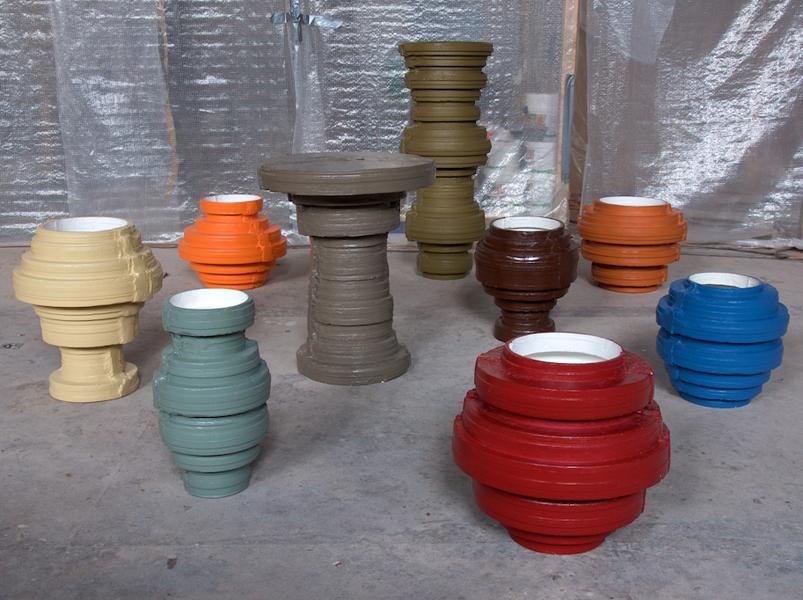
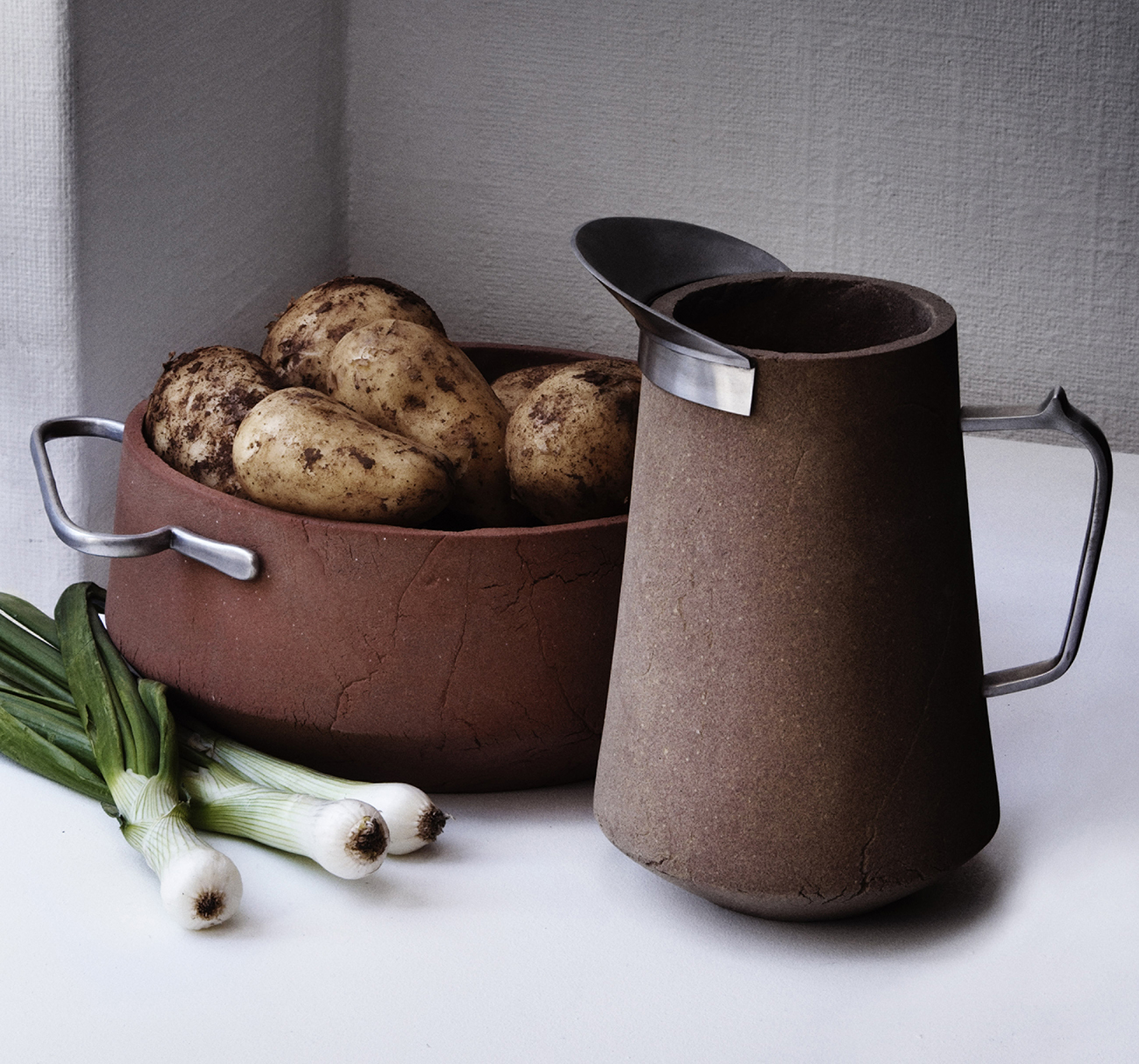
    Atelier NL’s Nadine Sterk and Lonny van Ryswyck keep a studio in the airy loft of a ’70s-style church in Eindhoven. They live there, too, but you wouldn’t exactly say that’s where they work. More often than not, the designers can be found doing fieldwork, whether that means scouring the area’s secondhand shops for mechanical knickknacks to inspire their more analog designs — like van Ryswyck’s hand-cranked radio — or digging up clay in the Noordoostpolder, an area of reclaimed farmland north of Amsterdam that until the 1940s was submerged under a shallow inlet of the North Sea.

  10. 01.06.10
    Studio Visit
    Peter Buchanan-Smith, Graphic Designer and Axe-Maker

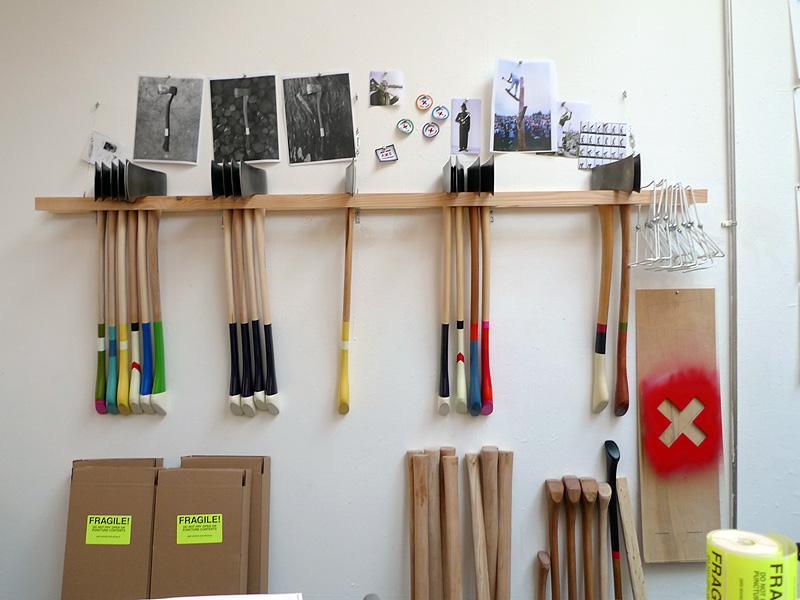
    Ah, the impotence of the urban dweller. Ever since the Best Made Company axe debuted this spring, you’d be hard-pressed to find a New Yorker who isn’t dying to snap open that wooden case and heave the Tennessee hickory–handled thing at… well, what, exactly? “At first I thought a lot of New Yorkers would buy them,” says Peter Buchanan-Smith, the New York–based graphic designer who founded the company along with his childhood pal Graeme Cameron. But it turns out the best audience for an axe — even one with a handle saturated in gorgeous shades of spray paint — is a person who actually might use an axe.