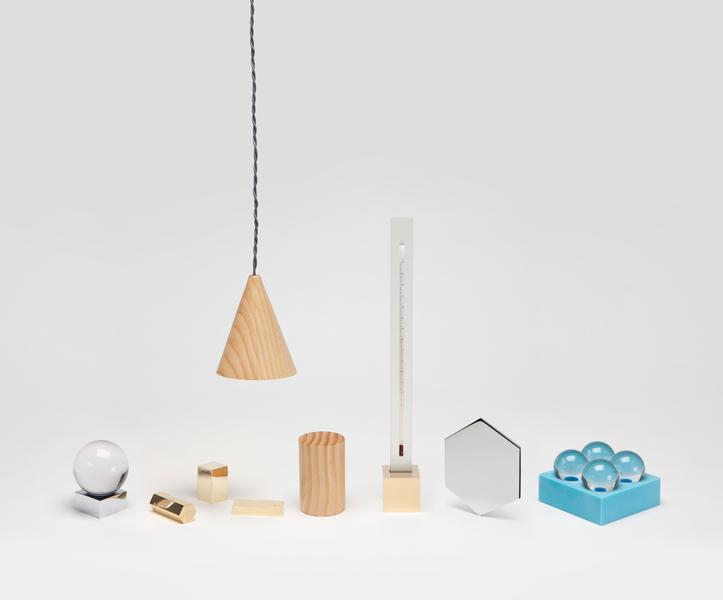
After Jean Lee met Dylan Davis while studying industrial design at the University of Washington, and after a string of successful school collaborations led them to start dating, the two of them did a semester abroad together in Rome. “Those were the good times,” laughs Lee. “We saw all these independent studios there, and designers working more as artists, and it was really inspiring for us. That wasn’t happening at all in Seattle.” And so after they graduated in 2005, Lee went on to work for a messenger bag company based in Philadelphia, while Davis joined the team at Henrybuilt. They did a small trade selling vintage finds on Etsy for awhile, and eventually started repurposing those objects into new designs as a hobby. But what finally led them to join forces as Ladies & Gentlemen in 2009 were the first signs that they might be able to find in Seattle what they experienced in Rome after all: Not only had studios like Iacoli & Mcallister and Grain begun to flourish by making and selling their own work, their new coalition Join was gathering together local designers to collaborate and exhibit together. “Jamie Iacoli asked us to contribute to a show, and were like ‘What the hell? Let’s do it!’”
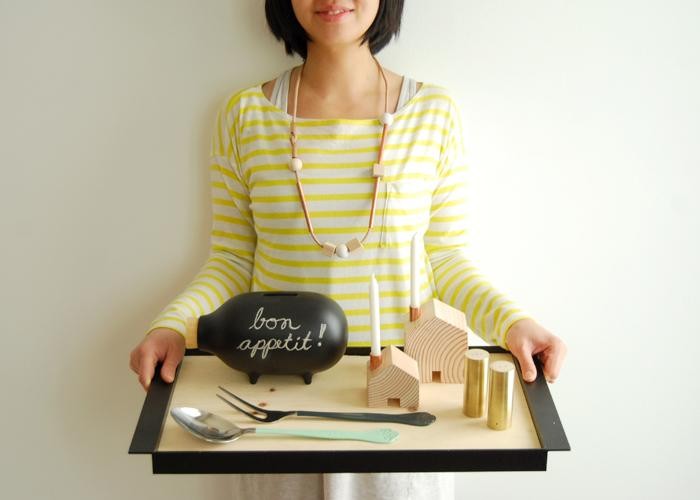
Davis and Lee chose the name Ladies & Gentlemen for its vaguely generic quality, hoping it would give them license to stay flexible as makers. First, they designed new objects inspired by vintage ones, like their cake servers and doily rug. Next, they moved on to small, minimalist-yet-cutesy pieces: the chalkboard piggy bank, the candlesticks shaped like houses. And then last year, as part of Sight Unseen’s Noho Design District event, they launched Natural Selection, their first series of furniture, and a rather sophisticated one at that. What ties their burgeoning portfolio together, says Davis, is “simplicity, playfulness, and an exploration of materials” that extends to the couple’s live/work studio, which is lined with shelves full of wood blocks and scraps of leather. “Having those around as we’re trying to think of an idea always feeds what the object will feel like in the end,” Davis says. “That’s a big part of our work—that directness of what we can do with this block of wood to make it an object?”
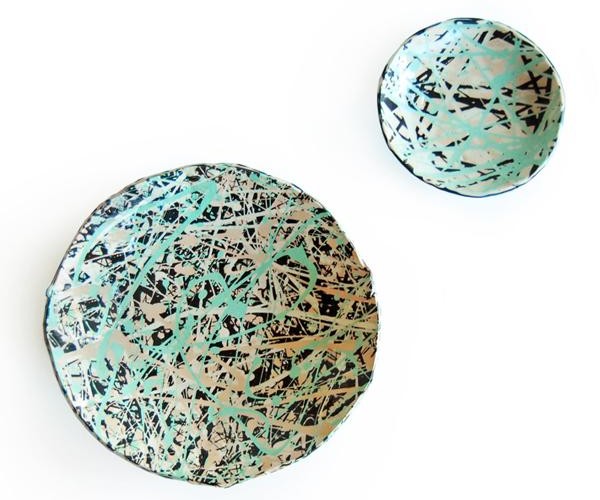
We asked Davis and Lee to show us those shelves, and all the other inspirations and ideas that will inform their work as it continues to develop — likely, they say, into more furniture and more designer collaborations, starting with a new line of lamps for a forthcoming Seattle-based lighting brand called Standard Socket. Get to know them better in the slideshow at right, then be sure to visit their home on the Sight Unseen shop, where they’ve just launched an amazing series of splatter-paint bowls.
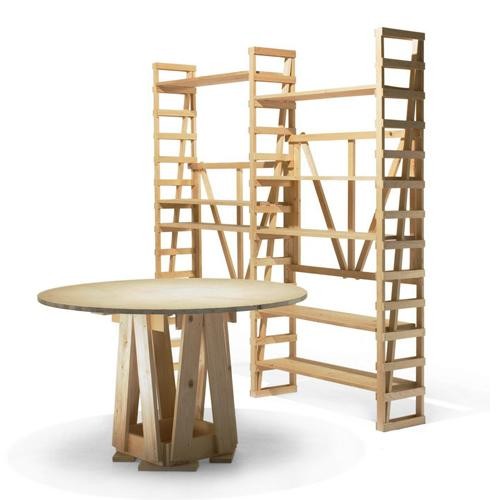
Design hero: “One designer we really relate to is Enzo Mari. He’s the perfect storm of simplicity, playfulness, highbrow, and lowbrow. He has a way with materials and contextuality that feels so fresh and thoughtful no matter what decade he created a piece in, and his versatility as a designer is something we aspire to. Mari’s Autoprogettazione series (pictured), for example, is this amazing structural exploration into what can be done with simple, dimensional pine lumber — similarly, with our Ovis hanging lounge chair, we wanted to present our materials in their most honest states, carefully arranged to relate to each other in an elevated way.”
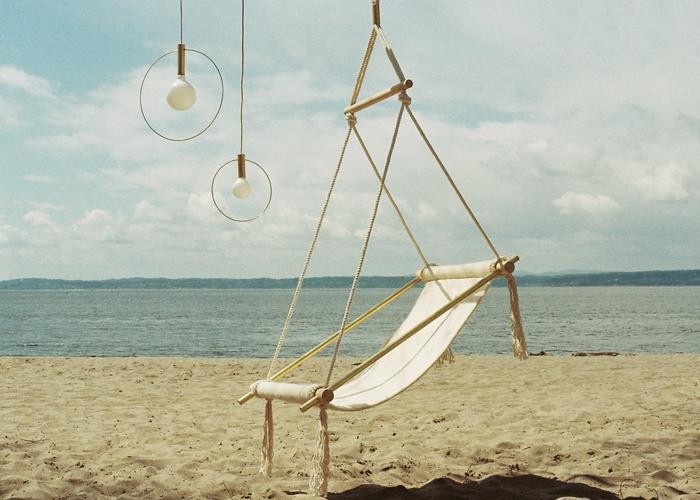
What inspired your Natural Selection series? “Much of our early work dealt with recontextualizing existing objects and ideas in one way or another. With Natural Selection, we wanted to refocus on a more basic, elemental relationship to materials and function. We looked at the most essential requirements for an object and employed simple combinations of materials that highlighted that function in natural, understated ways. The Ovis was a collaboration with textile artist Ashley Helvey, pairing the warm, textural quality of felted wool and rope with the inherent structural character of metal and wood.”
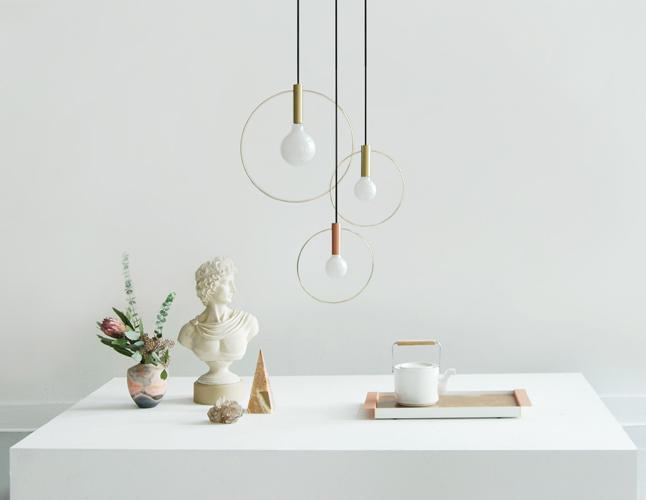
What inspired your Natural Selection series? “The Aura is about the relationship between a light source (the bulb) and the resulting lamp, highlighted by a simple brass ring.”
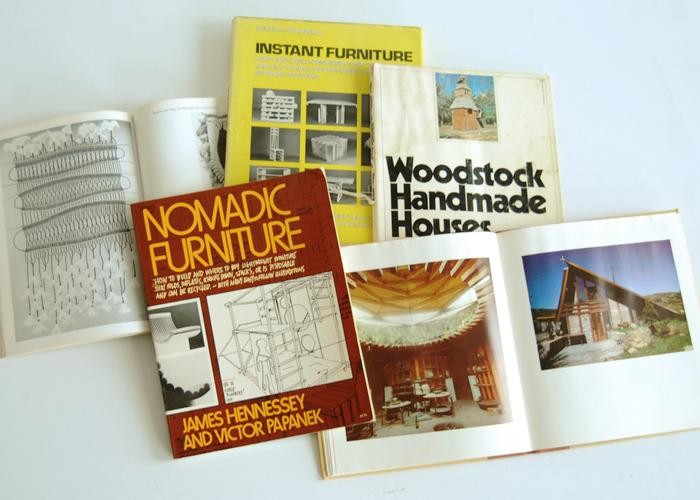
Design movement you most identify with: “The 1970s Counter-Culture movement, when ideas of resourcefulness and accessibility, and their roles of design, were completely reimagined. There was a big shift in lifestyles and values at the time, and members of the Counter-Culture were responding with unrestrained, free-thinking design. We have a small collection of books from that era that are some of our most-used references. One of our favorites is Victor Papanek and James Hennessey’s Nomadic Furniture, which featured a collection of DIY furniture that was understated and borderline non-descript, but easily made and customized by the user with off-the-shelf parts.”
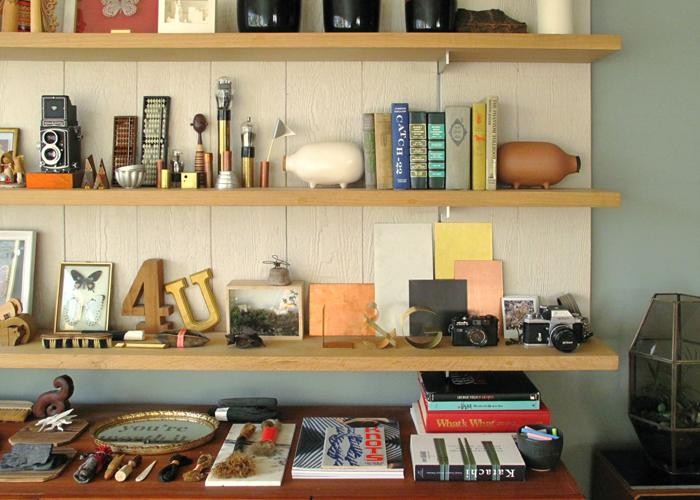
Objects you keep around the studio for inspiration: “Our studio has a wall of shelves in almost every room, on which Jean carefully rearranges things to create new inspirations. They’re packed with everything from vintage toys to marbled rocks to design classics, plus a mix of random materials with prototypes past and present. One of our favorite types of items to have around is material samples of all types and sizes—metal tubing, blocks of wood, ropes, paint swatches, etc. The shelves serve as essentially our 3-D inspiration board as well as decoration for our studio/home.”
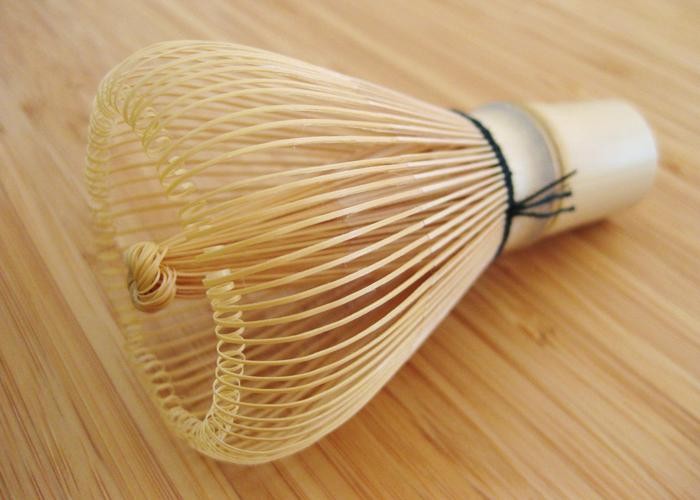
Design object you wish you’d made: “We’ve always been fascinated with Japanese crafts. The Japanese wield this magical precision and skill to create complex objects using the simplest materials with the purest of intentions. Our favorite example of this is the Japanese bamboo tea whisk, which is an example of craftsmen pushing the limits of a material: it’s made from bamboo finely split hundreds of times and then individually curled to create the perfect tool for the function. We love how such small object can have so much impact in showcasing the capability of a material and the essence of a culture. We can only dream of mastering craft, material, function, and ritual in this way.”
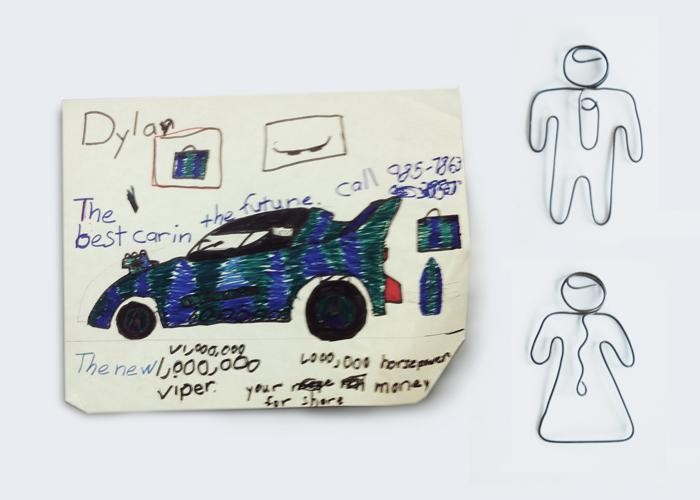
First thing you remember making: “As a young aspiring car designer, 8-year-old Dylan had this series of concept-car drawings with back-to-the-future-inspired features like all-window windshield wipers and 1-million horsepower engines (of course they all flew, too). How disappointed would that young boy be that we don’t even have hoverboards yet! In middle school, Jean burst onto the design scene with her ‘Whimsy’ wire sculptures, such as these little bookmarks. She had her first big break selling them for a buck a piece at her school’s ‘art gallery’ (really more like a sad display case) in hippie-dippie Eugene, Oregon.”
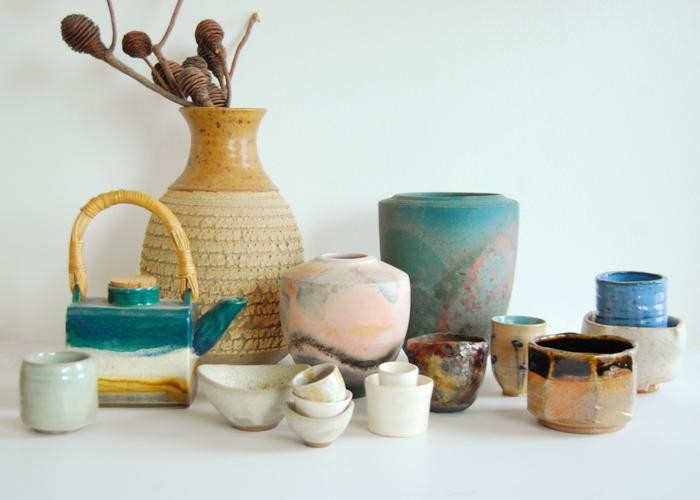
What you collect: “With all the aging hippies in the Northwest, we’ve found scores of incredible hand-made pottery at thrift stores and estate sales. The variety of glazes and wabi sabi forms (intentional or not) is amazing! We love to try to piece together what type of people these anonymous artists were back when the pieces were made.”
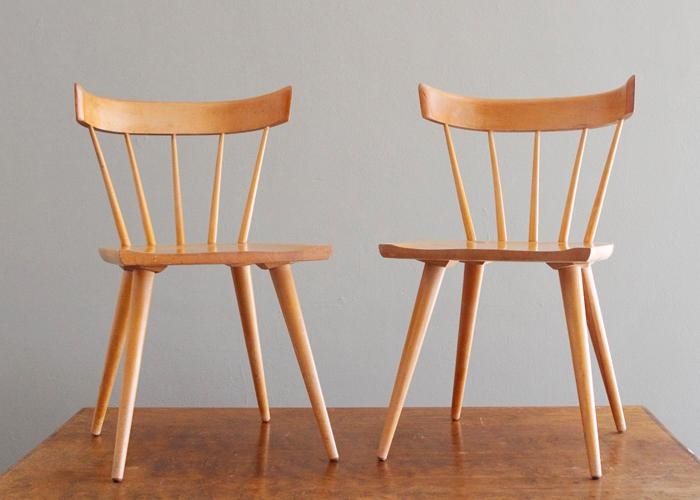
Best thing you ever found discarded on the street: “Dylan has a knack for finding classic design items in the most unexpected places. One of his proudest was a pair of Paul Mcobb dining chairs found on the street. They have a really warm patina and a great dowel joinery detail we can’t help but always talk about using in our work some day. They’re permanent fixtures in our kitchen, and we use them daily.”
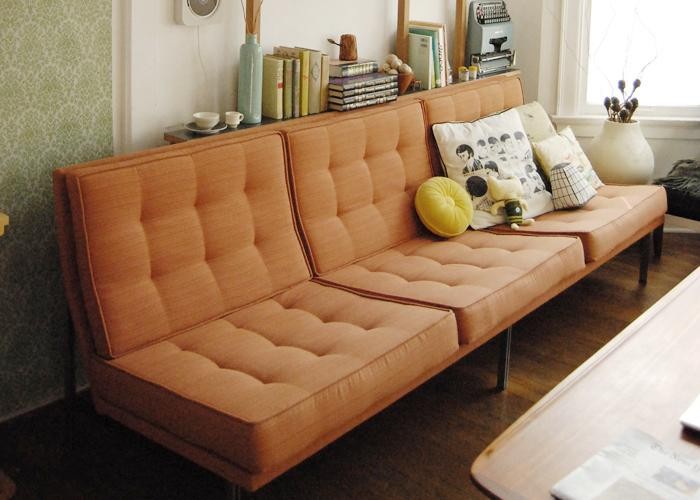
Last amazing vintage purchase: “One of our biggest-ever scores was a vintage Florence Knoll sofa on Seattle Craigslist. It was covered with dark brown Naugahide, which looked and smelled like an old school-bus seat (yum), but we were able to steal it away for $100 because of that. As nostalgic as the smell of old bus permeating our living room was, we decided to recover the couch with Knoll fabric, bought cheaply on eBay, which in the end was a wiser decision.”
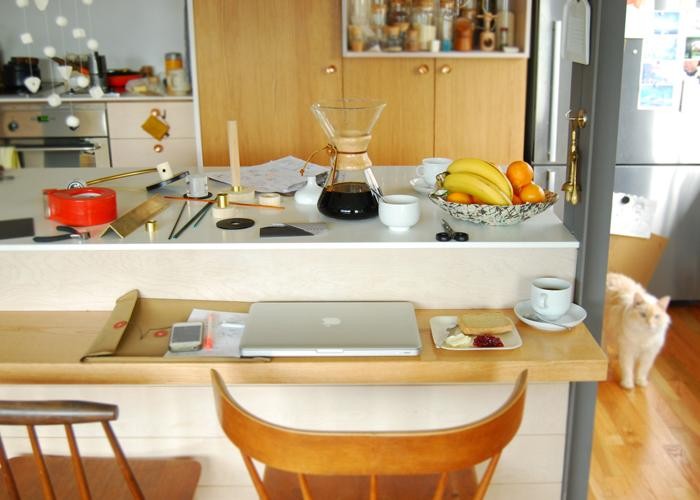
What’s on your desktop? “We work out of our home, and thus have a very loose concept of a ‘desk.’ One of the main creative hubs in the house is our kitchen island. It’s in the brightest, most pleasant spot in the house, so we tend to gather there to work on our computers, evaluate prototypes, and ‘talk shop’ even though we have dedicated desks in our office. On any given day, a flurry of sketches, material samples, coffee cups, and books has overtaken the countertop. Despite the resulting mess, it’s an important spot for us creatively.”
First thing a stranger would say when they saw your work: “‘Ladies & Gentlemen? Is that some sort of escort service?!’”
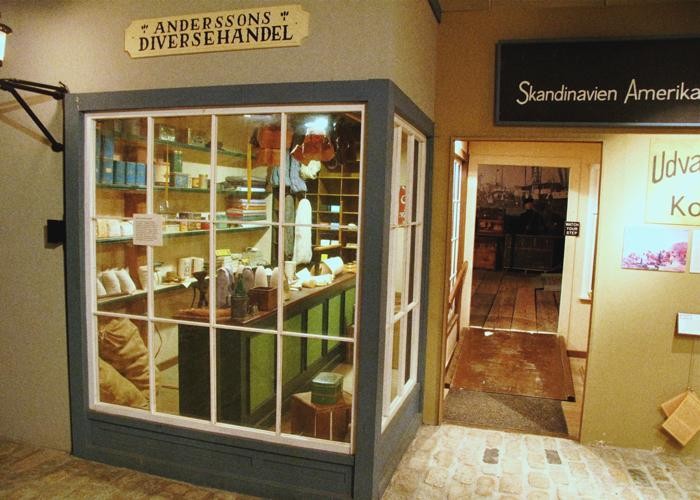
Last great exhibition you saw: “A couple weeks ago, we went to the annual Yulefest at the Seattle Nordic Heritage Museum. It was more of a winter holiday event than an exhibit: shopping for handmade Scandinavian goods, listening to cute old men playing folk songs, tasting a variety of Scandinavian pastries, plus Aebleskiver, brats, smorgasbord, and glogg. The museum itself has an exhibit of life-size dioramas representing 19th-century Scandinavian general stores, cafes, and houses filled with neat old artifacts, so there was an element of history as well. It was a really genuine experience, almost as if we traveled to a small town in Norway for an afternoon. The museum is by no means a highbrow institution, but that’s what we find most charming about it.”
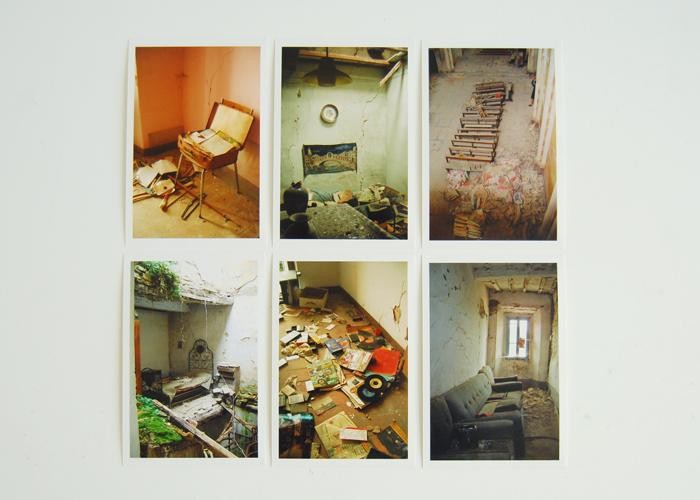
Most interesting thing brought back from your travels: “We spent a couple months studying abroad in Italy, and our class travelled to a small town called Nocera. The oldest part of the town was essentially decimated in an earthquake about 9 years prior. All the residents of the town evacuated and never returned. We explored this abandoned village, ducking in and out of houses with wide open doors and questionable structural integrity, and it was like time-warping back to the moment after the ‘quake: coffee cups and plates were still on kitchen tables, beds still had sheets and pillows, everything touched only by moss or ivy over the past nine years. We came back with a pile of amazing photos from that experience.”
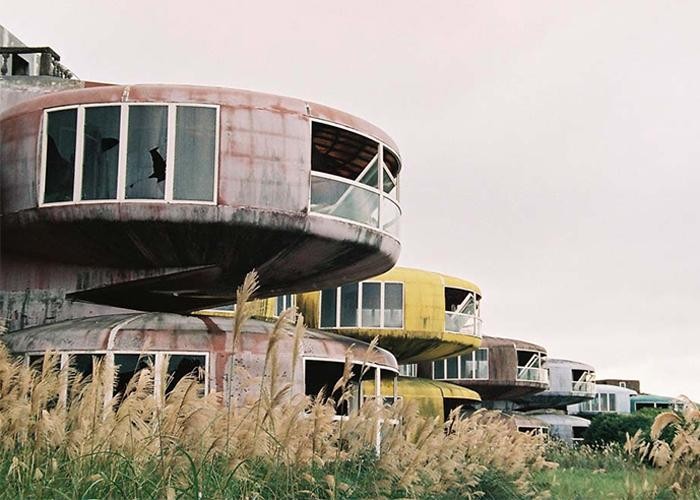
Favorite Google image search: “We love to travel, and when researching a trip, we love to do image searches of the location on Google and Flickr. It can return some really interesting results that you don’t necessarily get from tourist sites. A few years ago when we went to Taiwan to visit Jean’s family, we found a Flickr gallery of these pod structures on the coast of the island that had been abandoned for 30 years. We became obsessed with visiting them and had to do a degree of research to find them. The actual site was even more surreal than the photos!”
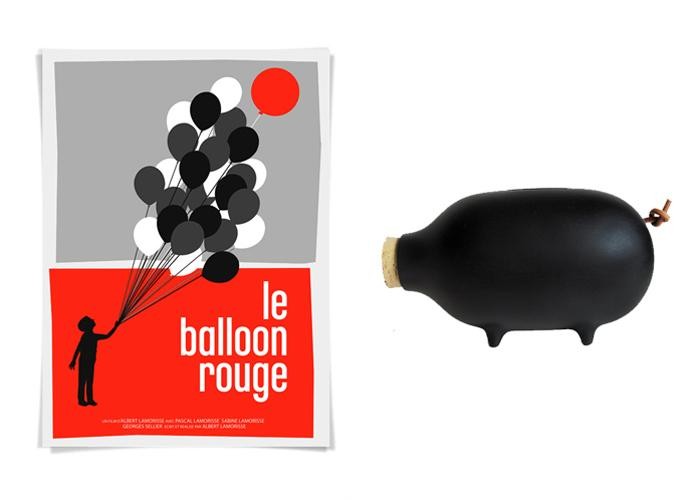
Fictional character who would own your work: “We’d love to the give the little boy from Red Balloon one of our piggy banks. Seems like he’d have fun with that. The poor boy only has a balloon to play with (albeit a magical one).”
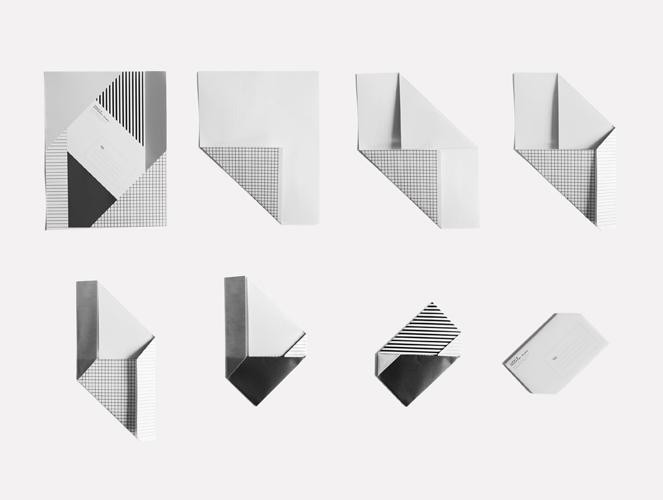
Right now, Ladies & Gentlemen is: “Getting legit by finally making our own letterhead, which folds up, origami-style. Quick little projects like these are satisfying exercises that help us work through new ideas.”
Visit the Sight Unseen shop to purchase one of Ladies & Gentlemen’s Nyth Bowls, which are made by splatter-painting clay, Jackson Pollock–style. The 6-inch mini version is perfect for holding keys, jewelry, or pocket change, and it’s exclusive to Sight Unseen!
If you'd expect anyone to spend their days working amidst a snowdrift’s worth of process and ephemera, it’s London designers Doshi Levien. What you see piled atop the shelves and pinned to the walls of the couple’s Shoreditch studio, after all, is the product of two very different yet equally prolific minds working through their own approaches to the same tasks — Nipa Doshi being the Bombay-born lover of handicraft who collages, paints, and draws her way towards ideas from the ground up, and her Scottish husband Jonathan Levien, who spent his childhood in his parents’ toy factory and developed the more exacting methods of an industrial designer, prototyping proclivities and all. While both enjoy surrounding themselves with collected objects like Italian ice cream cups and Chinese pencil boxes, it’s impossible to understate the importance of the couple’s divergent interests to their work’s unique point of view; the designs that made them famous, after all, were daybeds and sofas for Moroso that combined industrially produced furnishings with hand-embroidery and textiles sourced from Indian artisans. It would be a cliché way of characterizing the pair if it weren’t so overwhelmingly true, even by their own admission: “After ten years of working together, I see it as an essential ingredient in what we do, almost a layer in the approach without which it would feel naked,” says Levien.
It’s hard enough to be a young American designer. The lack of government funding means that prototypes must often be self-financed, and the difficulty in working with most European manufacturers means that young design studios frequently end up handling their own production as well. Now try doing it all in Seattle, a city that’s not exactly famous for its flourishing industrial design scene.
Australian wine capital Adelaide has a population of 1.3 million, putting it on par with Dallas or San Diego. But as native Daniel To sees it, it’s a big city with a small-town mentality — one that nearly consigned him and his wife Emma Aiston to a life designing laundry lines. “We met at the University of South Australia, where our design program was heavily engineering based and suited to what’s required for the city's industry,” explains To. “Adelaide has three main manufacturing companies: one making garden sheds, one light switches, and a third clothes-drying lines.” Rather than learning about mid-century modern, Memphis, or the Bauhaus — all of which would later inform their work as the independent studio Daniel Emma — the pair were taught to perfect their technical-drawing skills and gear up to become cogs in the local wheel. Just as they were starting their final projects in 2006, though, they had a kind of mutual awakening.