09.11.26
The Weekly
Nine great gallery shows to see this month, in New York and beyond
Welcome to the new Sight Unseen, a weekly newsletter that delivers the best of the design world — news, trends, shopping advice, interviews, travel recs, and more — straight to your inbox. If you’re not subscribed, follow this link to sign up. Want to partner with us, advertise, or submit your work (guidelines here)? Email us at hello@sightunseen.com.
This Pairing of Contemporary Art and Historical Design Just Works
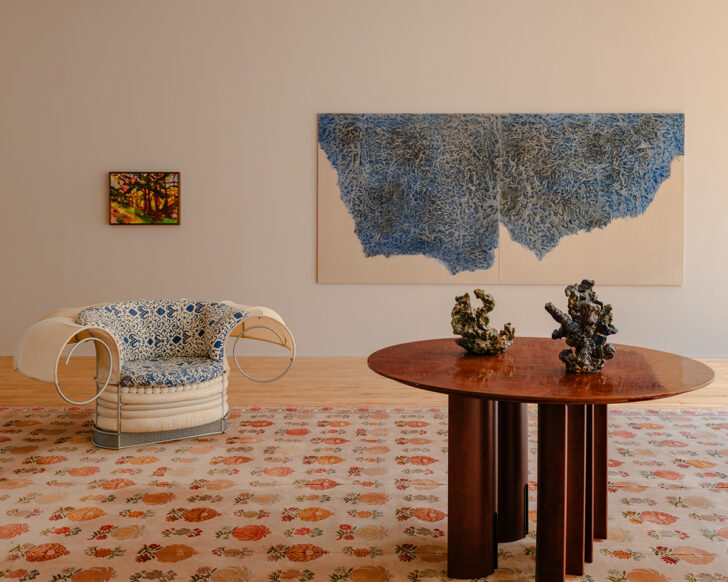
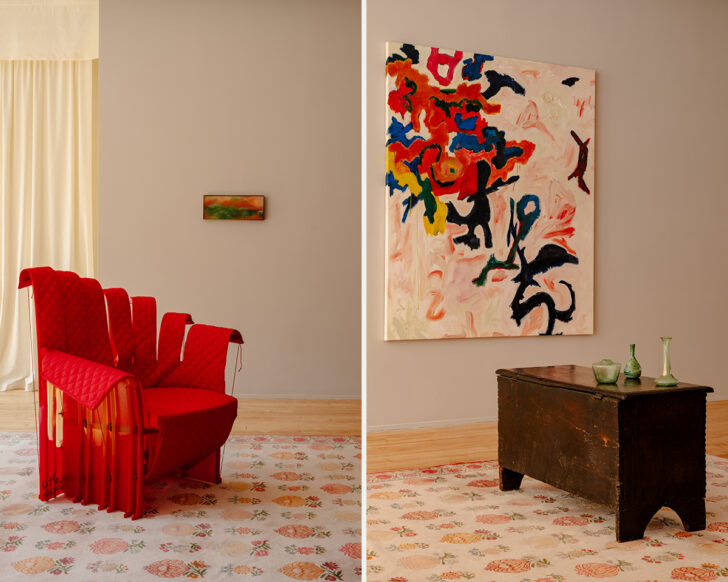
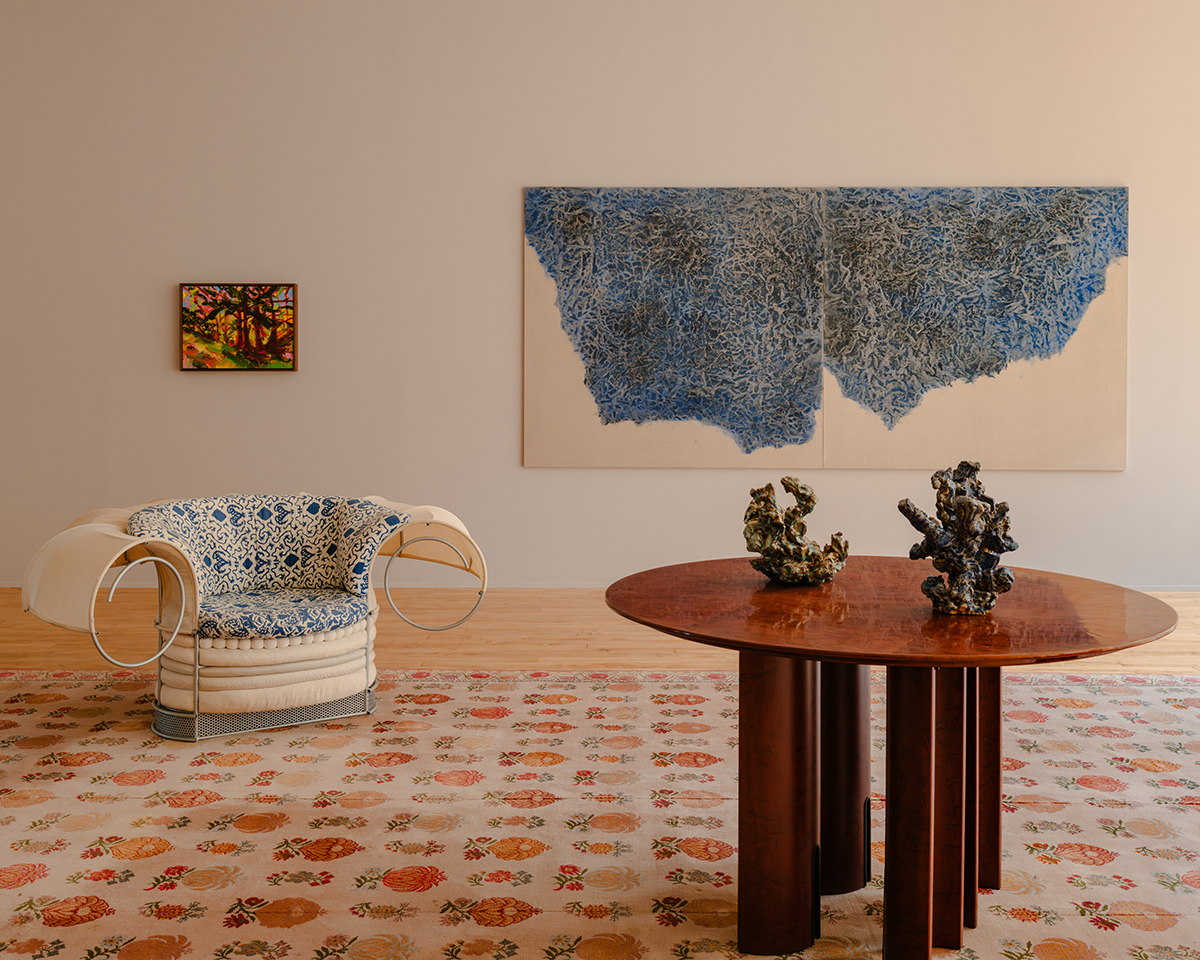
A selection of works from the Fernberger exhibition at Jacqueline Sullivan Gallery. Photos by Brian Ferry
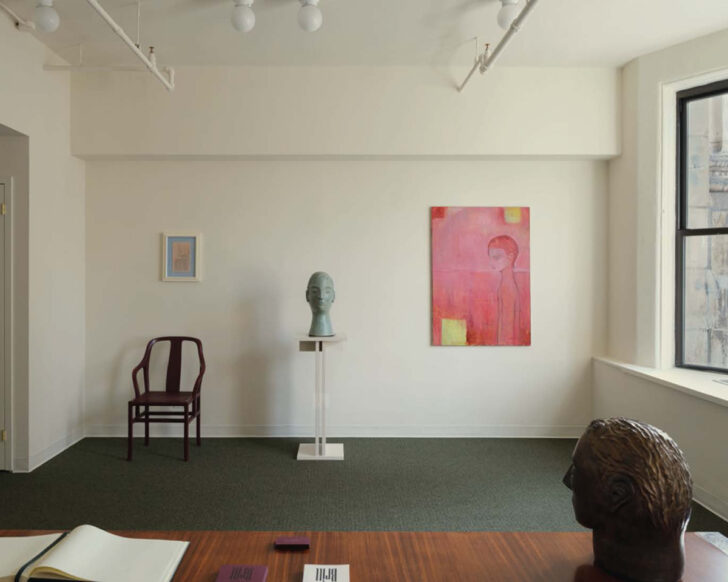
What’s a gallerist on parental leave to do? In Jacqueline Sullivan’s case, she’s brought on a collaborator, Emma Fernberger, to pair a selection of contemporary artworks from her gallery Fernberger in LA with pieces from Sullivan’s own historical furniture and decorative arts archive. The resulting exhibition is what the two gallerists call “an aesthetic experiment” — to outfit the gallery as one would a house, with art and design living in close proximity to one another. “In a world where there is a tendency to silo art and design from one another, this exhibition acknowledges the reality that most people live amongst and appreciate both of these categories in concert,” says Fernberger. “This exhibition presents a heterogenous group of objects from makers that represent different eras, regions, and aesthetic approaches, grounded with a unifying underlying sensibility embodied by irreverence and beauty.”
In practice, the results are exquisite. The room, anchored by an early 20th-century floral Mughal-inspired rug, practically vibrates with certain pairings. A painting by Vicky Colombet, whose rocky, bluish topography recalls looking groundward from a plane, hums next to Teruaki Ohashi’s scrolled arm Hannan chair, while the fiery red of Gaetano Pesce’s Queen of Nobody throne picks up on the vermillion in paintings by Anne Wehrley Bjork and cardboard and resin works by Ernesto Burgos. Perhaps my favorite piece is by Nik Gelormino, whose carved wooden bust is outlined with riveted brass plates and shot through with a mysterious void that invites the question: aperture or wound? On view through November 21.
Emma Kohlmann’s New Show Cements the Artist As a Master of Invented Mythology
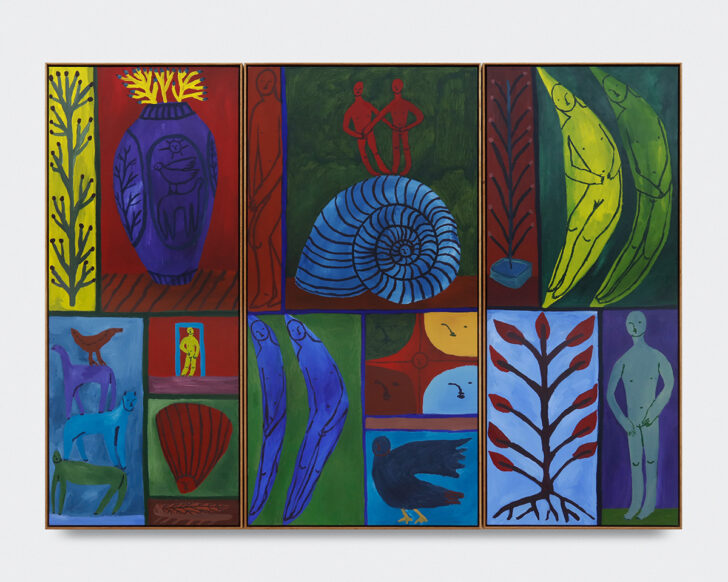
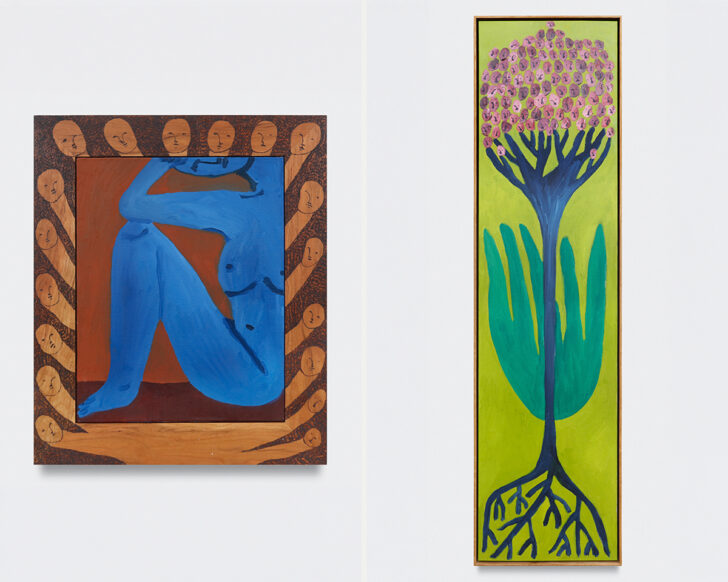
Emma Kohlmann’s new paintings are on view at V1 Gallery in Copenhagen through September 26.
I’ve been interested in the artist Emma Kohlmann’s work ever since I saw a painting by her hanging above Kathryn Bentley’s credenza in her LA home, where I spent one day during COVID photographing for How to Live With Objects. Since then, I’ve often referred to Kohlmann as one of my favorite artists. I’ve been to exhibitions of her work both in downtown New York and in Kyoto; I’ve silently coveted her La Pittura ceramics for Hay; I even bought her book. But I’ve never interrogated what it is about her work that’s so appealing. She has an exhibition up through September 26 at V1 Gallery in Copenhagen that we’re featuring here today, but because the show is accompanied by a slightly cryptic essay rather than an essay or release about its themes, I thought it would be fun to do my own research, as it were. Kohlmann uses ink and watercolor to depict a kind of folk-inspired fantasy world inhabited by unsettling faces and figures. There are snails, birds, seaweed, chalices, vases, angels, plants, seashells, people, and other creatures, but you never know where the worlds will intertwine. She’ll paint a plant with tiny bald heads for petals, or a gender-free body with an ear of corn for an arm. In this current batch of paintings, Kohlmann allowed these figures bleed into the frames as well. Taken together, her motifs develop into a dictionary of symbols, used to create a kind of contemporary feminine mythology that could be centered around fertility and abundance but could just as well be about our daily rhythms, or Kohlmann’s gardening habit, or the weird brain farts we have when we conflate two things in our head, or any number of other possible meanings. I think I love that most about her work. What about you?
Marcel Breuer’s Plywood Collection For Isokon Gets a Twist — Quite Literally — With Its Decorative New Veneer
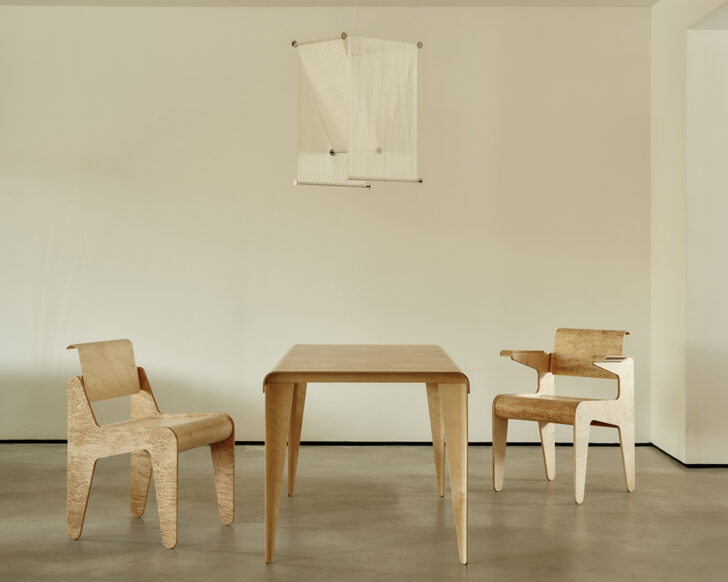
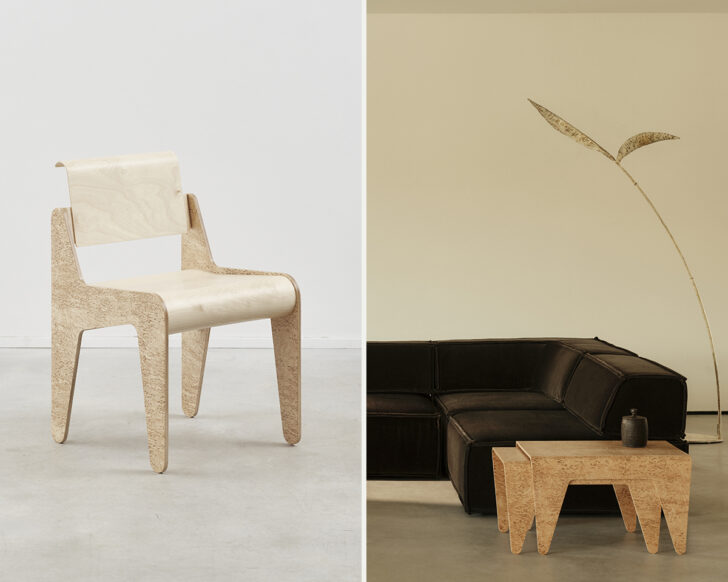
Béton Brut’s re-edition of Marcel Breuer’s plywood collection for Isokon sees the pieces sheathed in a highly decorative curly wood veneer. Photos: Ben Anders
Between LDF and Paris Design Week, we’re soon going to be drowning in new furniture launches. But before we turn our attention to those, we wanted to highlight an archival project with a modern twist, launching at Béton Brut in London tomorrow. It’s a re-edition of Marcel Breuer’s 1936 molded plywood collection for Isokon, which was originally produced in plain birch. By contrast, the re-edited pieces are sheathed in masur birch veneer, a rare Northern European timber whose slightly psychedelic patterning lends these classics of Modernist design an almost Martian feel. Called the Masur Edition by Isokon, the collection challenges the assumption that Breuer’s plywood designs were always intended to remain unadorned.
The collection includes two nesting tables, a dining table, and two chairs that were designed by Breuer at the time but never produced until last year. (The most iconic piece from the original collection, a long lounge chair on sled feet that highlights Breuer’s homage to Alvar Aalto, is not among the re-imagined pieces.) In Breuer’s time, there were select custom versions produced in other woods like sycamore, zebrano, and Australian walnut. But the Masur Edition marks the first time a highly decorative veneered version has been produced on a larger scale. It makes you wonder how far Isokon might be willing to go on future editions. Could there be a Sottsass pink or a Martino Gamperstriped Breuer in our future?
There Are So Many Good Gallery Shows Opening in the Lead-Up to Art Week in NYC. Here Are Some of Our Favorites.
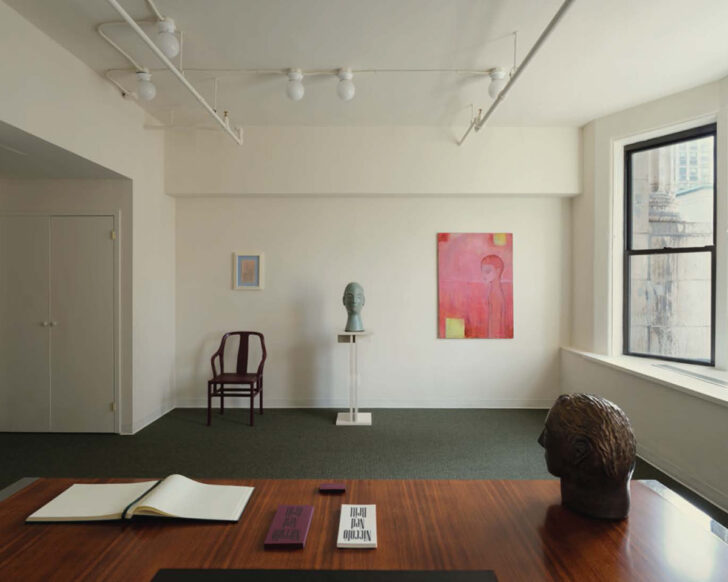
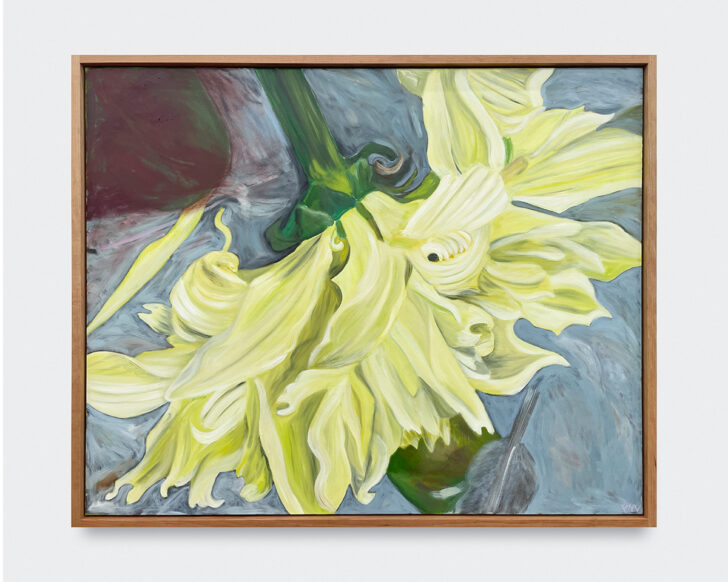
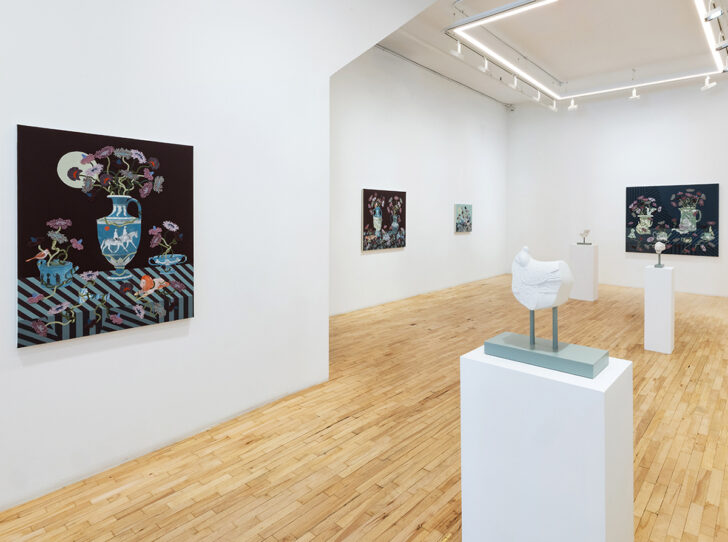
Top: Niccolò Ned Britt at Andrew Dubow Gallery; middle: Fredrik Nystrup-Larsen at Galerie Sardine; bottom: Lizzie Gill at Hesse Flatow
Trying to figure out which art shows to feature in this story was a bit like playing Whack-A-Mole; every time I thought I’d landed on a line-up, I’d find one of my favorite painters participating in a group show, or a show featuring only candelabras. (Okay, actually, we’re going to have to circle back on that one.) In the end, I’d say if you’re in New York, spend some time in the See Saw app and see what speaks to you, but here is a rundown of some of our favorites. At Andrew Dubow is a trio of artists: Niccolò Debole, Ned Armstrong, and Britt Bogan, all working in different mediums. Debole makes oil and charcoal drawings of furniture and silhouettes; Armstrong makes oil paintings of lanky, mysterious figures; and Bogan makes glazed ceramic heads, which have been mounted atop lacquered pedestals by Dubow and Antoine Dumas.
At Hesse Flatow through October 24, the artist Lizzie Gill is presenting “Carousel.” It’s a series of seven paintings depicting frenzied still lifes of Wedgwood-esque vases practically being eaten alive by snakes and plants, as well as a collection of plaster fragments that, taken together, would form the body of a 1950s play horse.
And at Galerie Sardine — in one of first presentations at the gallery’s new Tribeca space — there’s a solo presentation of paintings by Copenhagen-based artist Frederik Nystrup-Larsen, opening September 16. I couldn’t remember why Nystrup-Larsen’s name was familiar to me, so I did what any good editor with a 17-year archive and a distracted mind does: I searched my own website for his name, and lo, there he was. In a previous life, Nystrup-Larsen worked in a more multi-disciplinary fashion, often collaborating with Oliver Sundqvist on things like pigmented concrete vases and cast aluminum birdbaths. (He’s also behind the floral paintings that line the walls at Flynn MacGarry’s Cove.) Excited to see his new works.
Editor’s List
CLOCKWISE, FROM TOP LEFT:
–
I saw this Italian restaurant in Montreal, designed by local firm Ivy Studio, on Instagram earlier this summer, and those chairs stopped me in my tracks. Turns out they’re the first in-house design by Ivy. They look like Joe Colombo’s classic Universale chairs for Kartell, only here rendered in ash wood and a softly stained yellow.
–
The ceramicist Peter Schlesinger is launching a new swan vase at Design Miami/Paris with Salon 94 next month, so I took a look back at some of his previous cygnus-inspired creations. Love this weirdo one that launched the new Mariposa Gallery in LA earlier this year.
–
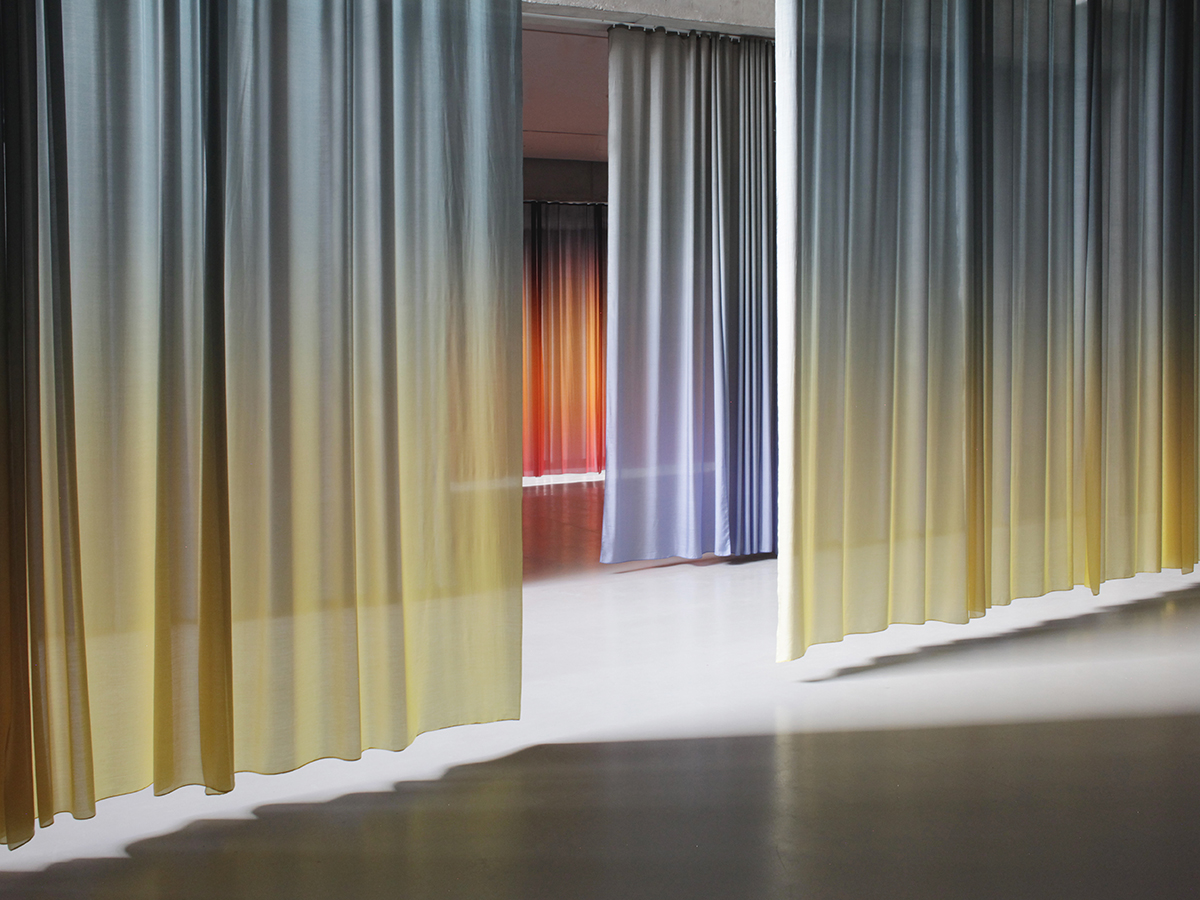
Another interior we loved but didn’t get the chance to cover in our summer hiatus is Cremer, the new restaurant in London designed by our favorite duo, Gennaro Leone of Spazio Leone, and Oscar Piccolo. Those gauzy window treatments are by one of our favorites: Yumo Yuan, the Chinese textile artist who will have a solo exhibition at Spazio Leone this coming October. Stay tuned!
–
We’ve been tracking the renaissance in picture frames that’s been happening over the last year or so, so consider this our latest entrant (even though it’s more of a full art piece): the first in Mexican/Montreal-based artist Vanessa Maya Gutter’s series of Framed Tiles. The tiles — from Gutter’s ceramics line Fonda Ceramics — are inspired by the floor of a traditional Mexican fonda, while the tin frame “draws from motifs featured in Método de Dibujo by Adolfo Best Maugard,” which, lucky for us, is replicated in full here.
News
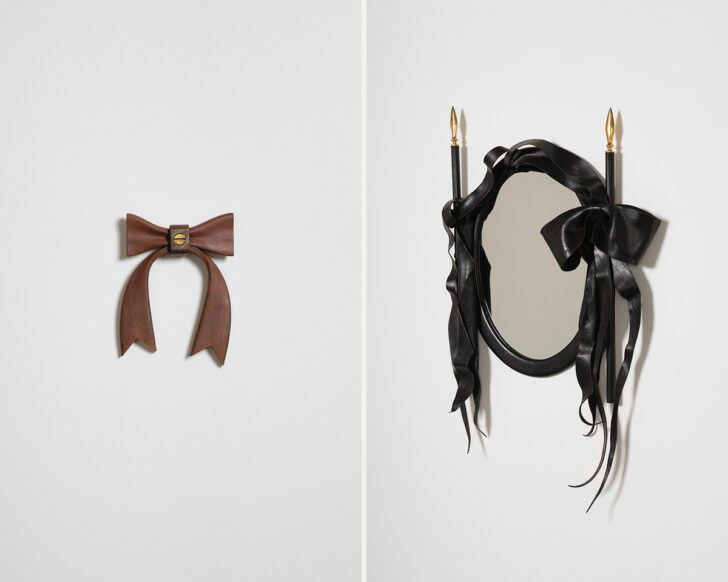
The Bow Show at Faun in L.A., starting tomorrow, features work by Ty Neff (left) and Bianca Stilwell (right)
–
Starting this weekend at Faun in Los Angeles is a two-week exhibition called The Bow Show, curated by Doug McCullough (who introduced bows as part of his lexicon a few years back at Marta). The exhibition includes a stick-on gift bow rendered in antique French linen by Charles DeLisle, an oddly delicate ribbon cut from steel and brass by Ty Neff, a mirror by Bianca Stilwell whose leather-wrapped frame unfurls into streamers, and a two-dimensional knot in aluminum, birch, and vinyl by Matt Paweski. Tip: If you’re poking around Faun’s site, check out the oil on masonite paintings by Matt Zaccari, who makes even urinals and pee seem strangely winning.
–
An interview this week in T Magazine with the musician Bedouine about her new album — which traces her journey as caretaker of the family heirlooms and “the way objects and memories connect us to a home that is otherwise inaccessible” — is extremely How to Live With Objects–coded.
–
Indefatigable interior/furniture designer/author Sarah Sherman Samuel added “gallerist” to her growing list of titles this week, opening Gallery SSS in Grand Rapids, Michigan, with an inaugural exhibition called “Homecoming.” It features 14 designers and artists with roots or chapters Michigan or the greater Midwest, and it includes a lot of longtime favorites, like Chris Schanck, Thaddeus Wolfe, Jeremy Anderson, and Jay Sae Jung Oh.
–
The artist Maia Ruth Lee introduced her Steel Glyph series at the Whitney Biennial in 2019, and she’s revisiting the concept for a new exhibition at Tina Kim Gallery in New York, opening this week. “Deeply rooted in the distinct architectural and visual language of New York, the glyphs are salvaged architectural fragments from the city. Fences, doors, gates, and windows are cast into a new language. By recomposing remnants, the glyphs become archives of labor and material memory.”
–
I’ve often joked that my house looks like I’m sponsored by Frama because I’m obsessed with the Danish brand’s hand soaps, but no, I am but an unpaid zealot. Now the brand has released bar soaps, which is what I exclusively use in the shower because you guys, body wash packaging is a drain on the environment, and I will be sitting here trying to reduce, reuse, and recycle even as we build data centers because what TF else are any of us going to do???
From the Collection
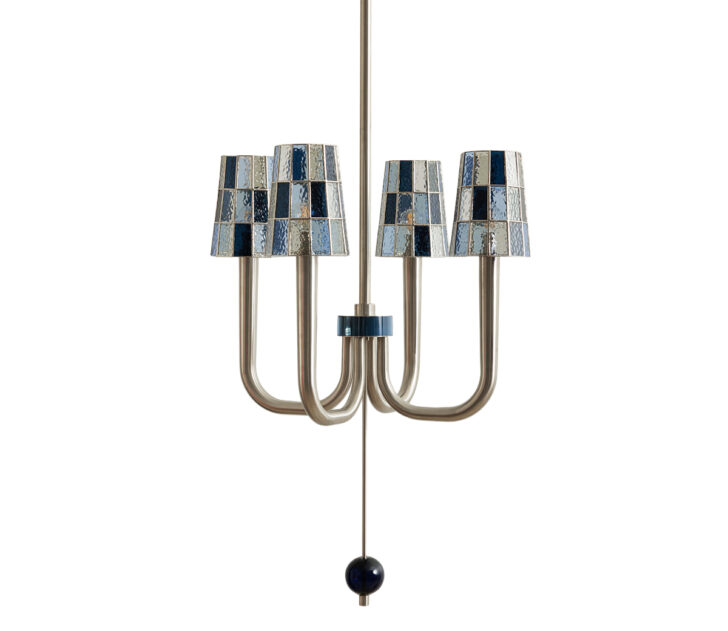
FUN GUY CHANDELIER BY FRANGERE
Fun Guy, our best-selling collection of stained-glass lights by the New Zealand–based studio Frangere, is now available as a pendant or chandelier with two, three, or four stems. A suspended glass sphere — also known around these parts as a #tinyball — acts as a dimmer, inviting a tactile, almost playful interaction with light. Available in six different hues and choice of four metals, with custom options available