L.A.’s Newest Design Brand, TOOOLS

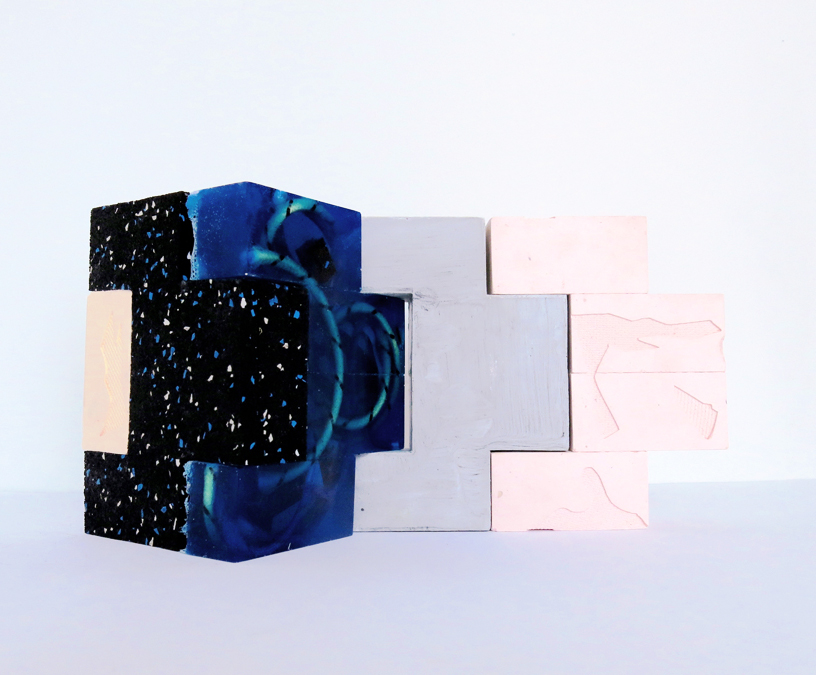
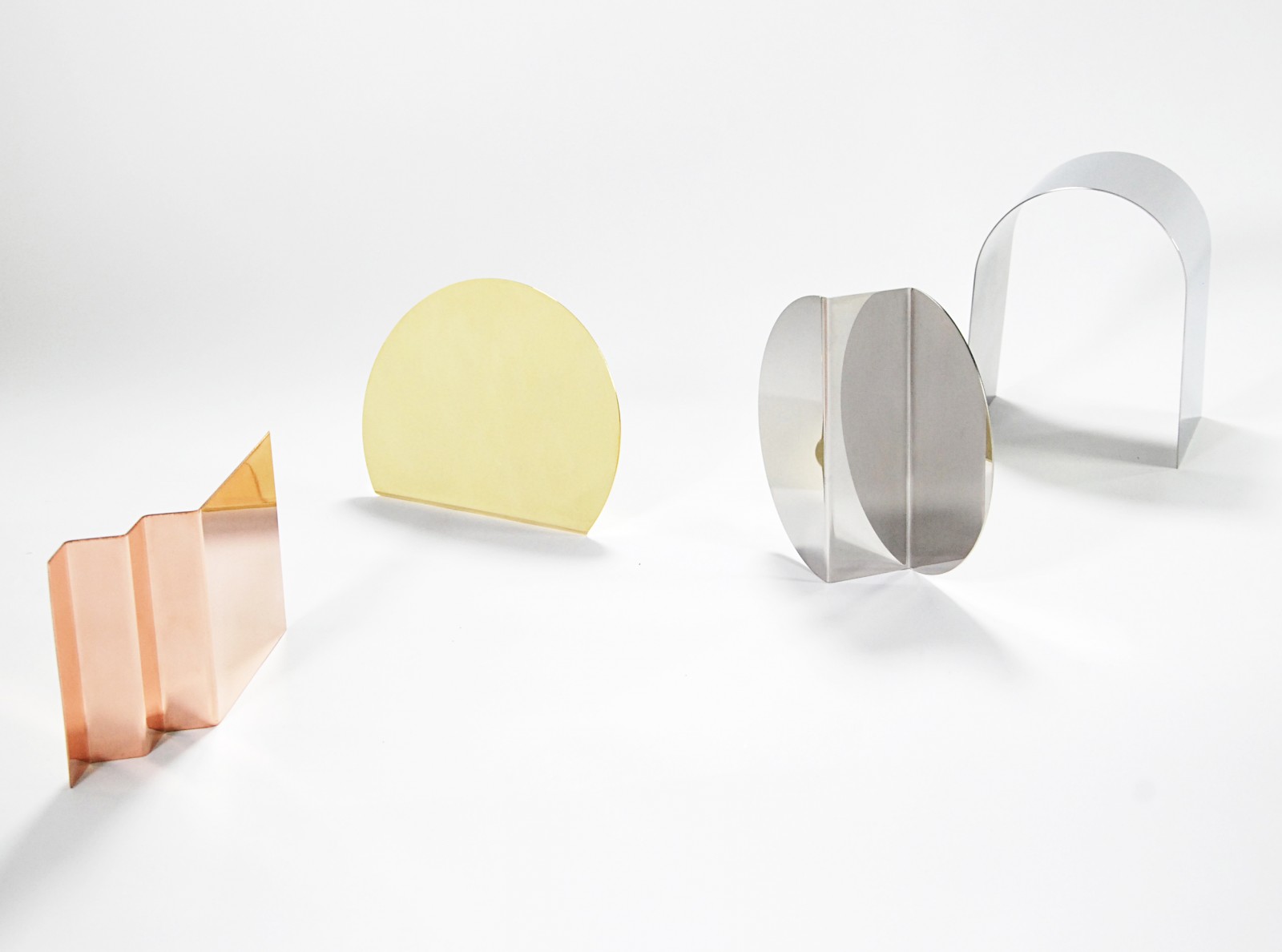
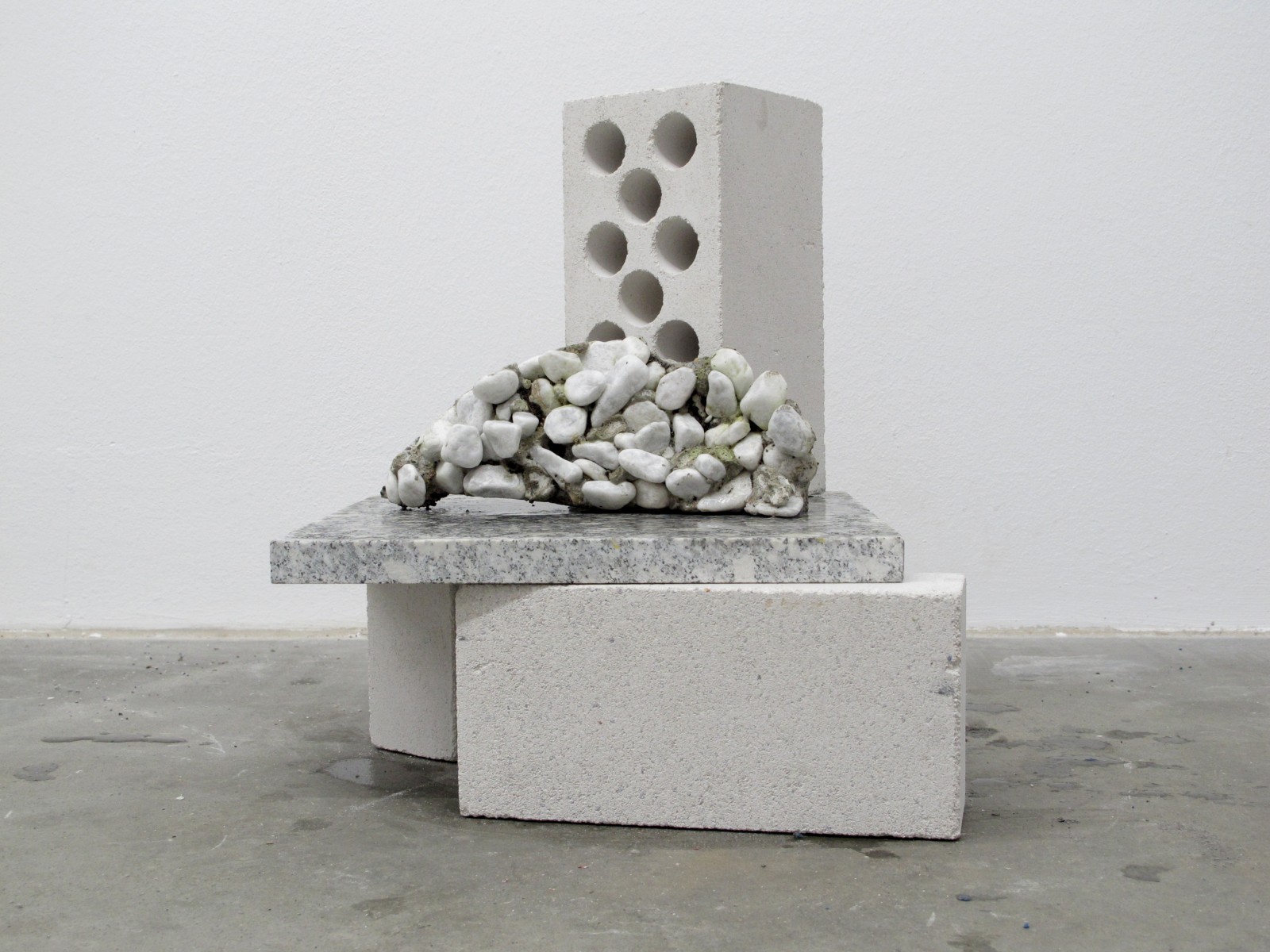
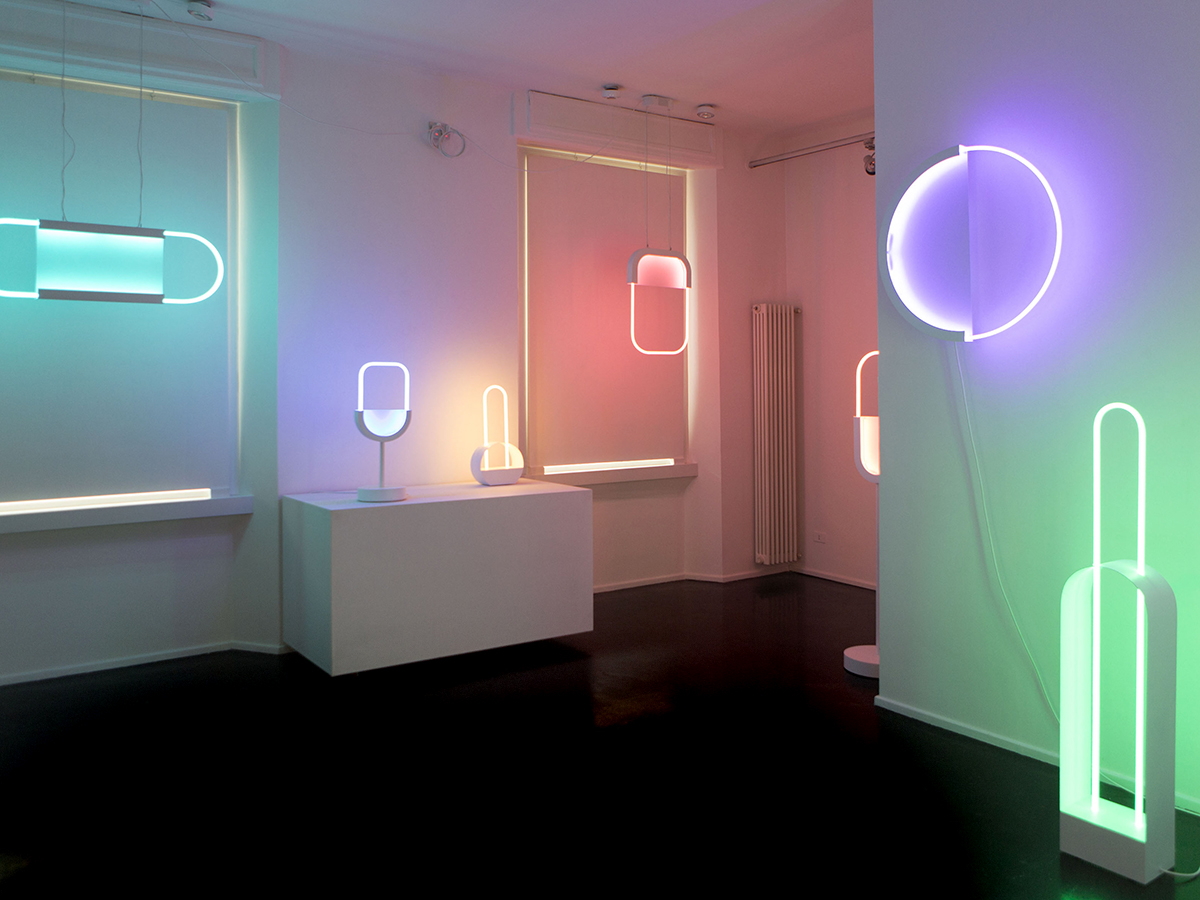
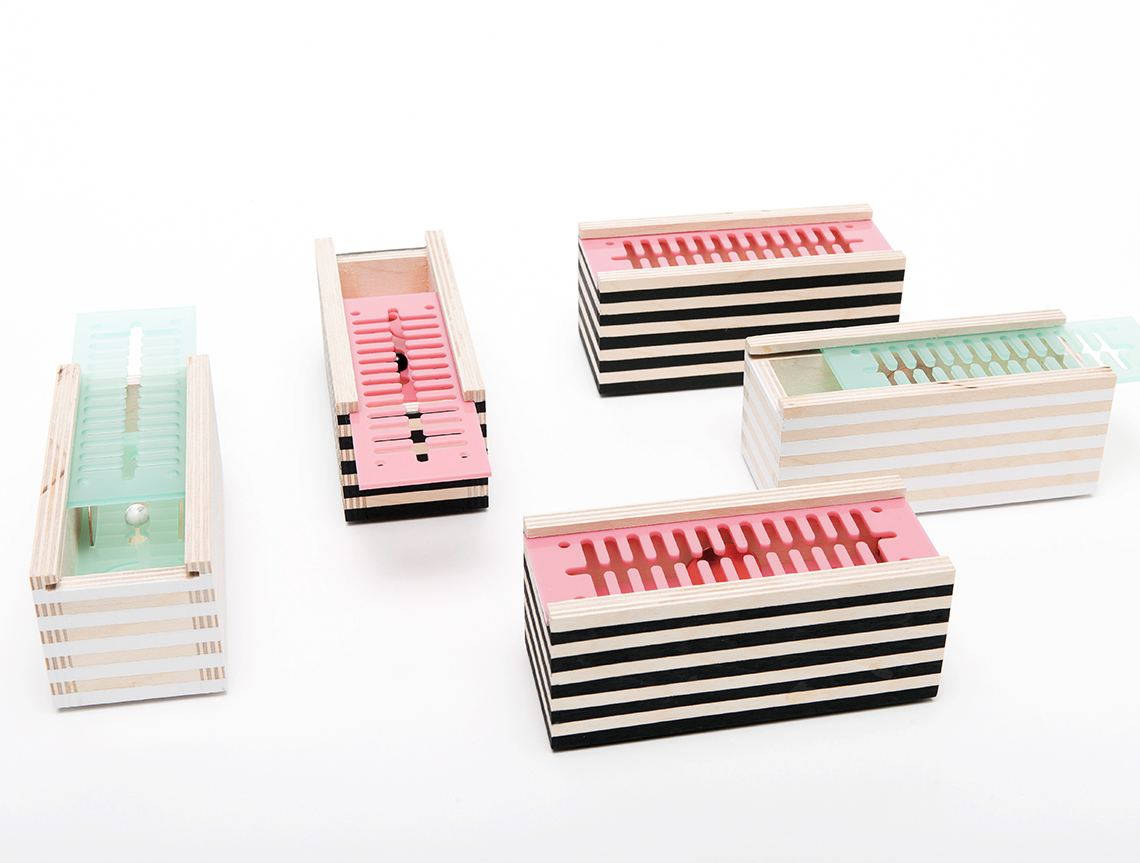
Back in 2012, we wrote about the launch of a gallery called Beginnings in Brooklyn, which, a year later, met an untimely and unfortunate end. But two of the gallery's founders have since gone on to forge a new (ahem) beginning, this time giving it a far less superstitious name: TOOOLS, a Los Angeles–based object-design company recently started by artist Caroline Hwang and designer Joel Speaskmaker that aims to be "a new company with an old ethos: form & function." See what the duo have to say about the project, and see tons of images, after the jump.
More

Top 5: Transparent Jewelry

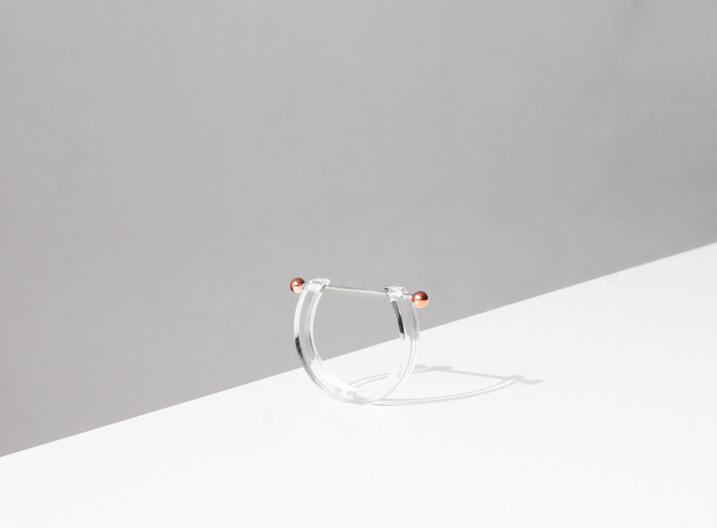
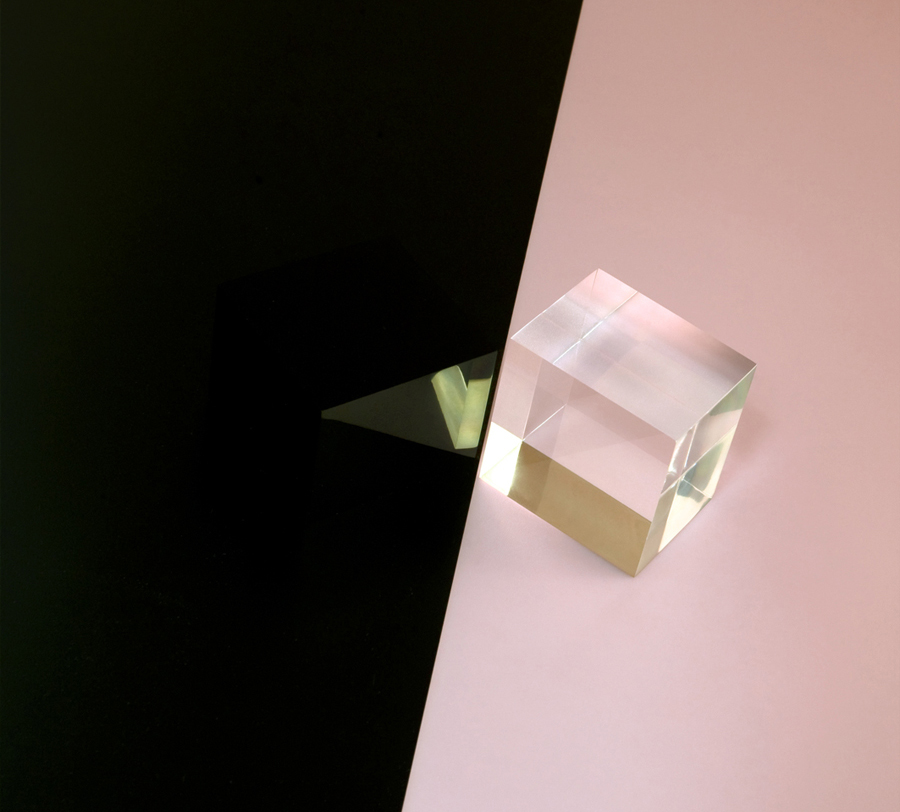
A periodic nod to object typologies both obscure and ubiquitous, featuring five of our favorite recent examples. Today, the subject is transparent jewelry, which has evolved beyond its '60s pop connotations to encompass designs both subtle and edgy.
More

Justin Hunt Sloane, Artist

It can be hard to pin down exactly what it is Brooklyn-based artist and designer Justin Hunt Sloane actually does. He graduated with a BFA in printmaking and interactive design from Art Center, but while there, he became interested in the school's famed automotive program and began dabbling in classes like rapid prototyping and fabrication technology. Since moving to New York, he's held day jobs as a website designer for Creative Time, or, currently, senior designer at the branding agency Wolff Olins, but in his freelance work and spare time, he makes everything from drawings to etchings to self-published books to album covers to sculptures.
More

Nina Cho, Furniture Designer

“One of the most important ideas in traditional Korean architecture and art is the aesthetic of emptiness — practicing the beauty of the void,” Nina Cho explains to me over the phone from her studio in Detroit, where she recently set up camp after graduating from Cranbrook. “In painting, the unpainted portion is as important as the portion that was painted; it’s about respecting the emptiness as much as the object.” Cho should know; she was born in the States but grew up in Seoul, and as a child she would often visit traditional Korean architecture sites. But little did she know the impact those visits would have on her future career.
More

Slowly by Sam Moyer at Galerie Rodolphe Jansen

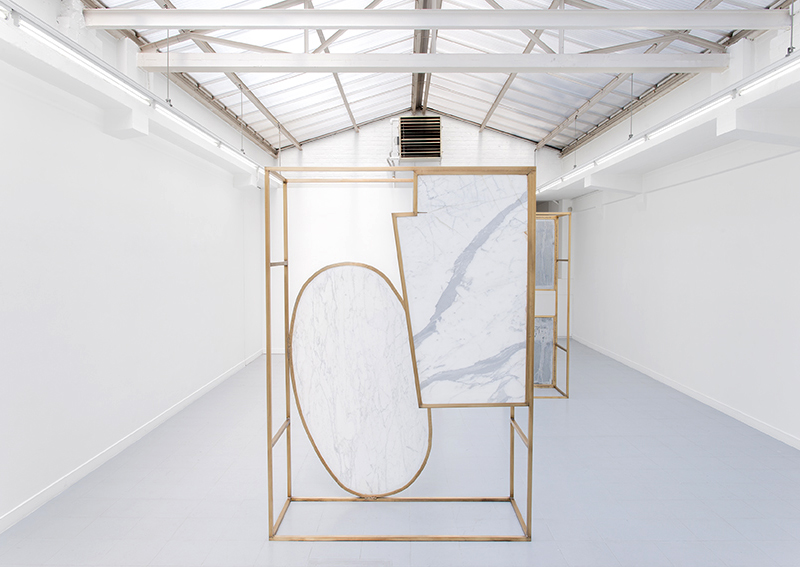
While the Chicago-born, Brooklyn-based artist Sam Moyer has played around with fabric painted to look like marble in the past, the geometric panels suspended in gorgeous bronze armatures that she recently installed at Galerie Rodolphe Janssen in Brussels are, in fact, the real deal. Meant to interact with the space's striking ceilings and the summer light that filters through them, the slabs are cut so thin as to be almost semi-translucent, a subverting of expectations about the way certain materials are supposed to look, feel, and function — a common theme in Moyer's work, and one that will sound familiar to many designers, which is probably why we've found ourselves so drawn to her.
More

Clemence Seilles in PIN-UP #12

Berlin's many charms are hardly lost on your editors. After a sunny, weeklong trip five summers ago, we both fell in love with the German capital — the wide open spaces, the well-situated swimming pools, the way clubbing unfolds as an actually enjoyable activity. But while my partner in crime has returned to the German capital each consecutive summer, I've never been able to find the time to go back. This summer, then, I was lucky enough to visit by proxy through the eyes of Felix Burrichter and his staff of Berlinophiles over at PIN-UP Magazine, which devoted its entire Spring/Summer issue to the changing metropolis. "For very long, Berlin was this one thing: You went when you had no money," says Burrichter, who serves as both editor and creative director of the architecture biannual. "But there’s a cultural elite — a moneyed elite — that has developed there over the past 10 years. Mostly people from out of town or in the art world. So there's an interesting friction right now. When that moneyed elite takes over, the city will lose a lot of its charm. But right now it still feels very raw and budding." The issue was in some ways a homecoming — Burrichter grew up in Düsseldorf — but in the end, the Berlin depicted in the magazine's pages bears more of a resemblance to Burrichter's adopted home in New York. "What fascinates me about Berlin right now is that it's very international," he says; hence the features run to a British architect who recently remade the city's Neues Museum (David Chipperfield), a West African transplant (Francis Kéré), and Clémence Seilles, a Frenchwoman who arrived in Berlin with a singular goal — to assist in the studio of designer Jerszy Seymour — and who never left. We've been fans of Seilles' work for some time now, and her conversation in the magazine with fellow Sight Unseen friend Matylda Krzykowski was too good to confine to print. Burrichter has graciously allowed us to excerpt it today on Sight Unseen.
More

Week of June 15, 2015

A weekly Saturday recap to share with you our favorite links, discoveries, exhibitions, and more from the past seven days. This week we survey the sudden trend of gymnasium-inspired designs, the best of Design Miami/Basel, and a few of our favorite works by photographer Suzanne Mooney, pictured above. Plus: the weirdest design-world video we've ever, ever seen, featuring Chen Chen, Katrina Vonnegut, and a cat driving a dumptruck.
More

Subtle, Pastel Paintings Inspired by the Tokyo Metro

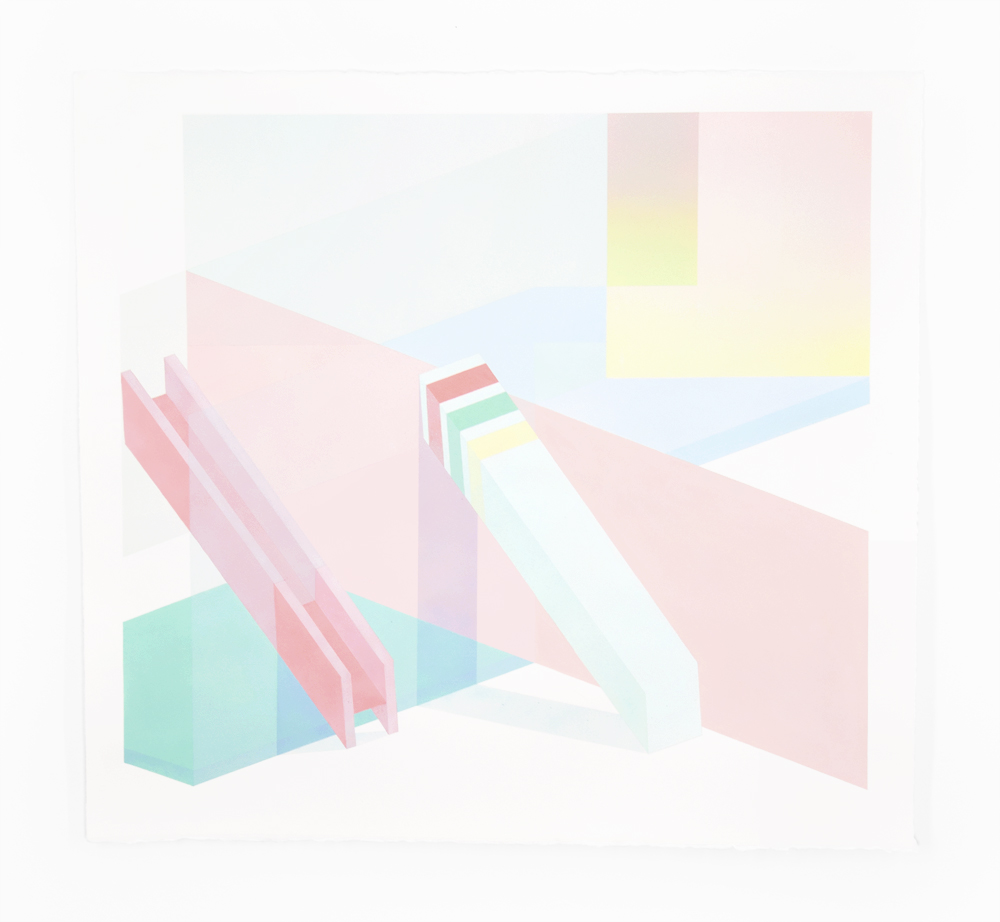
Growing up in Wisconsin, artist Trek Matthews was initially inspired by his natural surroundings, incorporating wildlife scenes and Native American mythologies into his illustrations. But following a move to Atlanta and a short stint in Japan in 2014, his artistic style began maturing into what we see today.
More

Designers Interpret the Classic Tolix A Chair

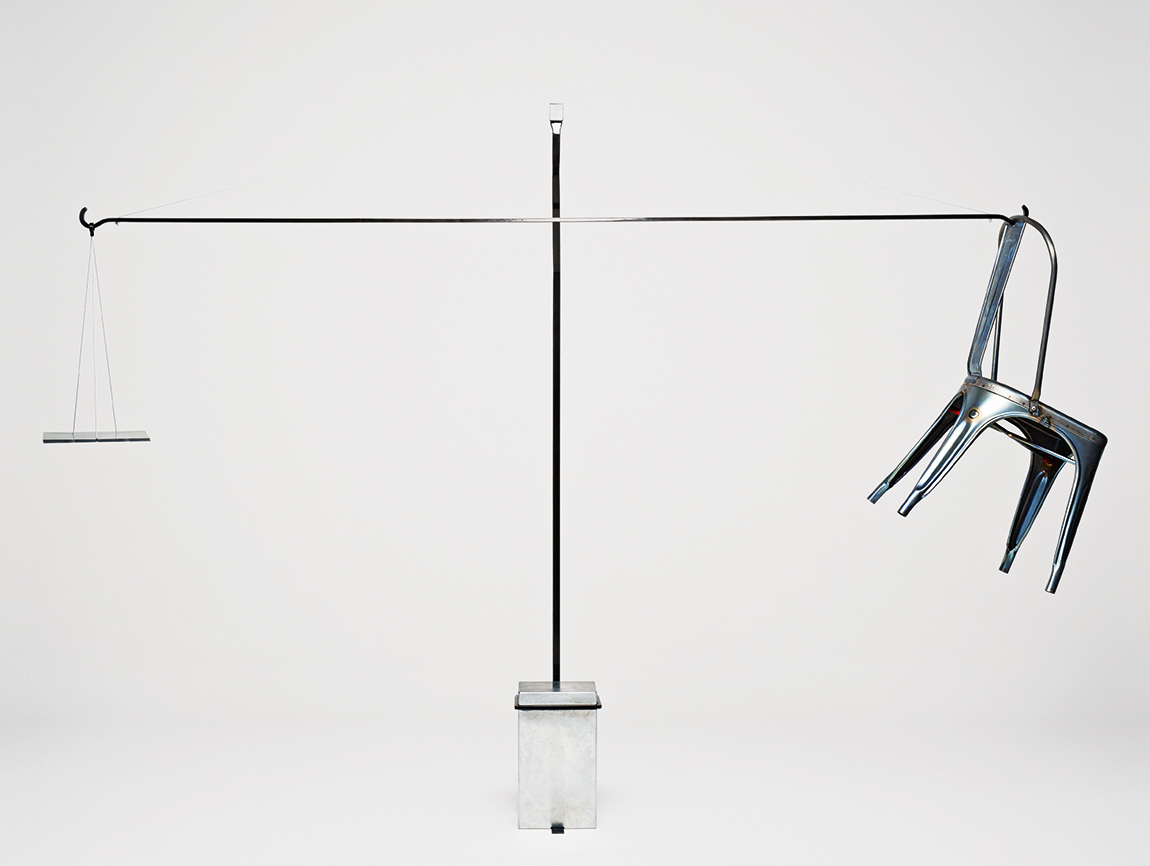
We aren't quite sure how we missed this project — considering both our affinity for the classic Tolix A chair (we might own seven (!) of them ourselves) and our affection for the designers involved — but in Milan last month, the French company celebrated its 80th anniversary and in doing so invited eight design studios to reinterpret its most famous offering.
More

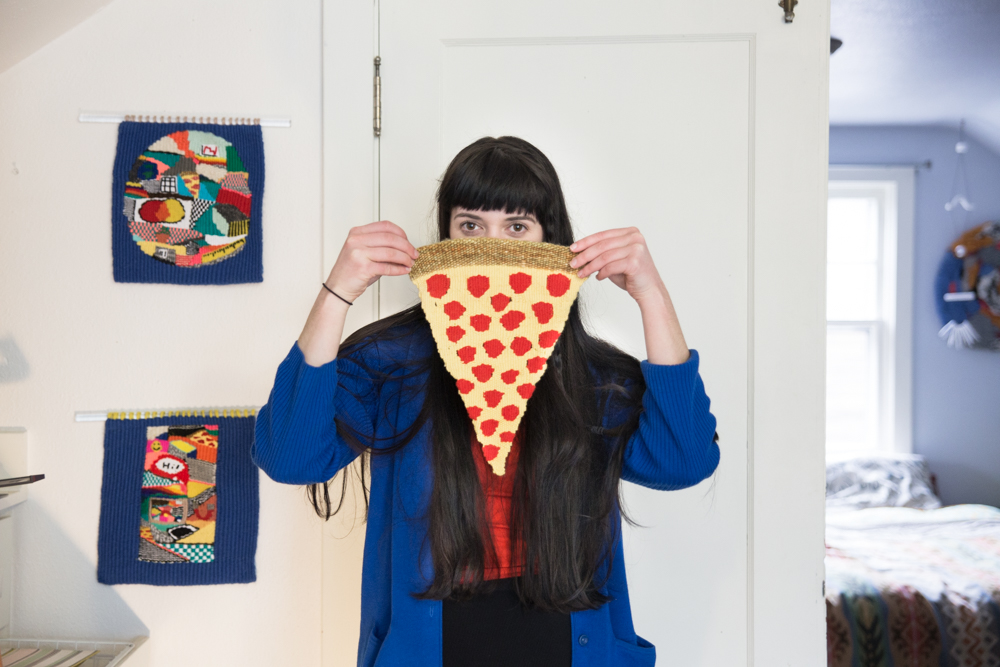
Portland Textile Artist Kayla Mattes

Kayla Mattes’ tapestries are an antidote to the disconnection and depersonalization that spending hours online can sometimes leave you feeling. Her work is plugged in to all the technology we take for granted but she recontextualizes it, slows it down, and the effect is immersive, dizzying, a little chaotic, and oddly comforting.
More

Italian Product Designer Giorgia Zanellato

About six or seven years ago, when Jill and I were still editors at the late, great I.D. magazine, we had a gut feeling that something was happening in Italian design. For years its reputation had been seemingly stuck in the '80s — no one ever, ever talked about its contemporary scene — and yet suddenly we were seeing a few young talents pop up here and there. We commissioned a story on the subject, but despite our prescience (as evidenced in part by the subsequent head-spinning rise of Luca Nichetto), we missed something seriously major: Fabrica. Neither of us realized the impact its residency program and Sam Baron–led design studio would have in nurturing Italy's brightest new voices, from Matteo Cibic to Matteo Zorzenoni to today's subject, Giorgia Zanellato.
More

Week of June 8, 2015

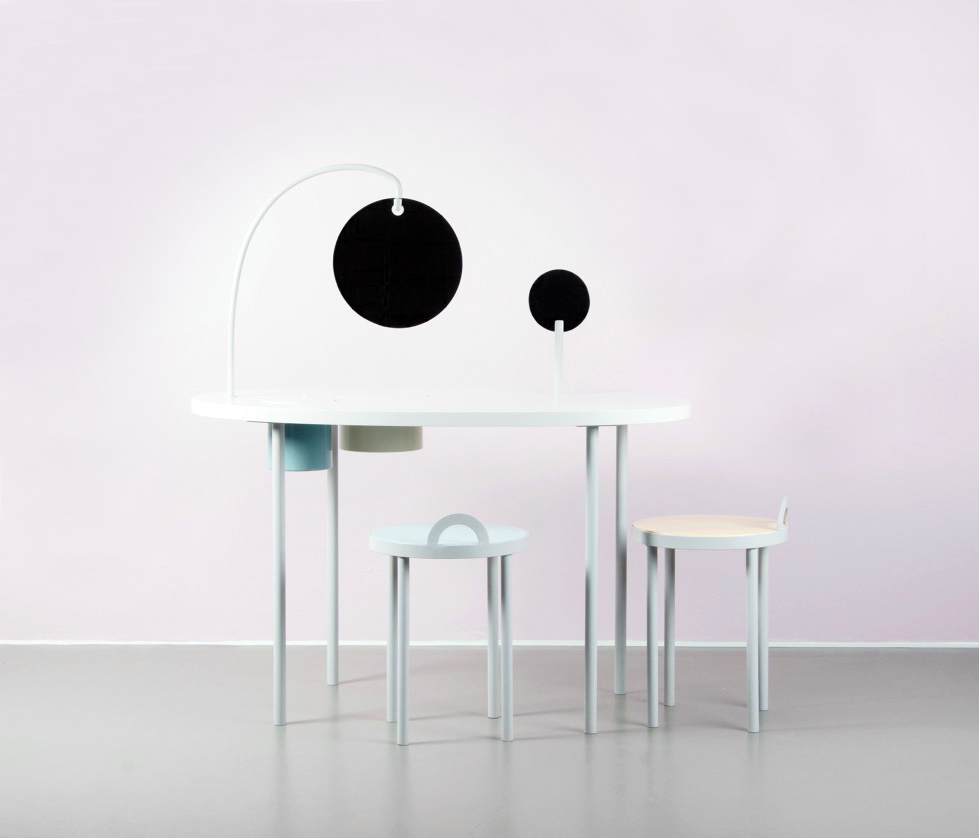
A weekly Saturday recap to share with you our favorite links, discoveries, exhibitions, and more from the past seven days. This week: a look inside Andreas Murkudis's new full-service design outpost in Berlin, a sneak peek at our favorite projects launching at Design Miami/Basel next week, and our first picks from this year's degree shows, starting with the vanity above.
More

ECAL Takes Over Apartment 50 in Le Corbusier’s Radiant City

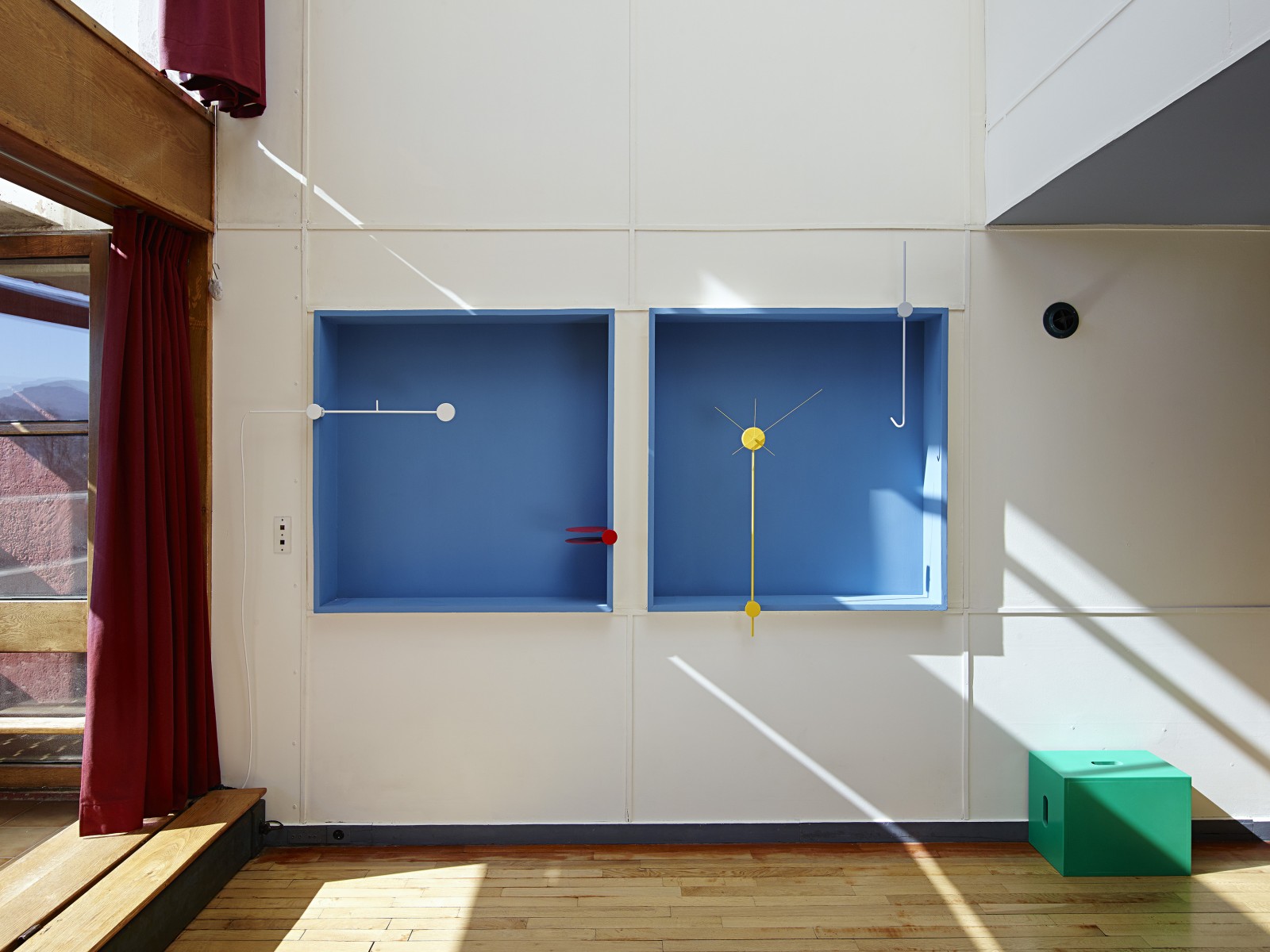
Since it was renovated in the early 2000s and restored to its original 1952 condition, Apartment 50 in Le Corbusier's famous Cité Radieuse housing complex in Marseilles, France, has played host to a rotating cast of designers — Jasper Morrison in 2008 followed by the Bouroullecs, Konstantin Grcic, and, perhaps most successfully, Pierre Charpin. But a group of Swiss design students may have just completed our favorite intervention yet.
More