A Tour of the Sight Unseen OFFSITE 2014 Show: Part I

When we founded the Noho Design District back in 2009, it was meant to provide a much-needed, well-curated platform for independent designers, whose numbers — particularly in America — had begun to surge. But it was also meant to add an extra dose of dimension and excitement to New York Design Week (or NYCxDesign, as it has since come to be known), which at the time was considered preeeeeetty lackluster, to say the least. By that measure alone, the first edition of Sight Unseen OFFSITE, our successor to the Noho Design District, was a massive success; word on the street was that this NYDW was the best anyone could remember, and we're proud to have played a significant role.
More

New York Design Week 2014: Interiors from Spain at ICFF

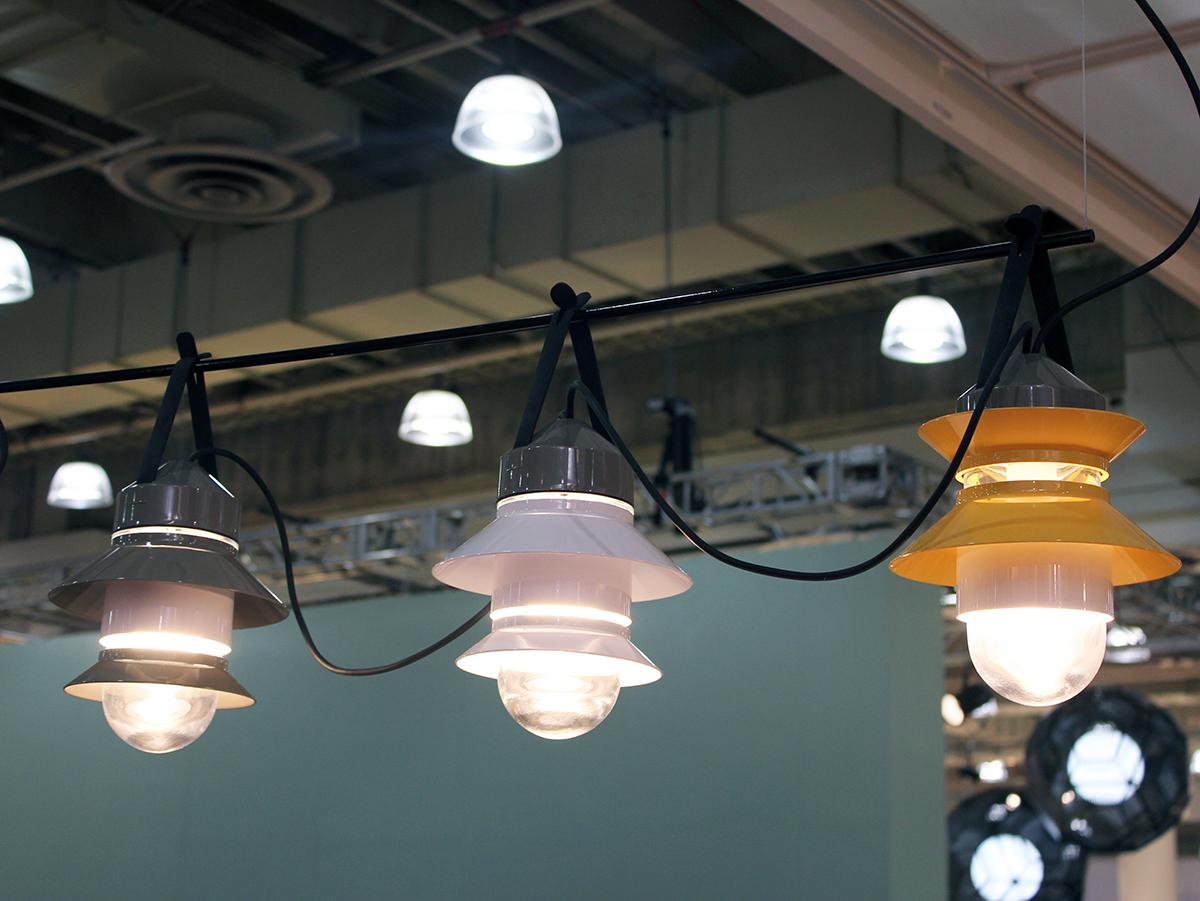
Imagine this scenario: 14 American design brands banding together to take over a large swath of the Milan Furniture Fair, all with the financial and logistical support of the US government. Sounds hilarious, right? While we can't dream of enjoying such privileges here, in one of the world's most prosperous nations, Spain has been throwing its weight behind its homegrown design industry for ages. In addition to marketing services, the Spanish trade commission — through an initiative called Interiors From Spain — has helped its local furniture manufacturers have a unified presence at ICFF for the past 10 years. This year's selection included Apavisa, Capdell, Ebir, Fama, Inalco, Isimob, Kriskadecor, Lladro, Marset, Nanimarquina, Now Carpets, RS Barcelona, Santa & Cole, and Texidors — check out our highlights from those makers after the jump, then watch our site for more coverage of the overall fair in the coming week.
More

Creative Women at Work: Kyle DeWoody

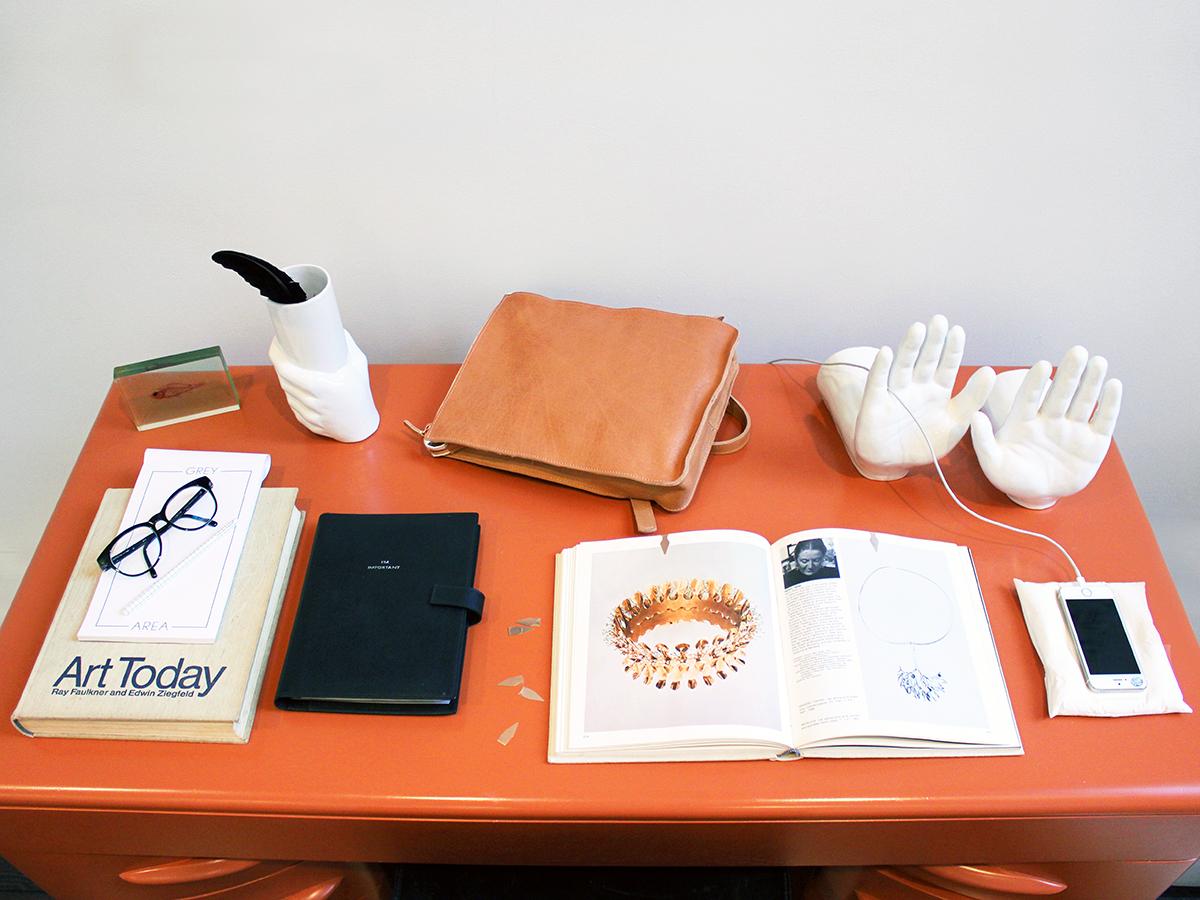
If there weren't already plenty of reasons for us to love Kyle DeWoody — her friendliness, her amazing taste, the fact that she's not afraid to rock a baseball cap — she's also a poster child for blurring disciplinary boundaries, something we've long championed as well. She even named her company after the idea: She explains Grey Area, the online gallery she founded with Manish Vora in 2011, as "the undefined space between art and design, where art is made functional and the functional is made art." Even her own background has defied any categorization: Before founding Grey Area, she moved from curating to art consulting to design to film production and journalism. (In fact, DeWoody hooked up with Vora when he was running the arts website Art Log, for whom she used to write.) Her wide-ranging interests are in part what make Grey Area so great — the gallery sells everything from plush, hand-stitched Sharpies to elegant leaning brass bar carts, from plaster iPhone pillows by Snarkitecture to cat-themed beach towels by Andrew Kuo. DeWoody is constantly scouting new talent from unexpected sources, so for our Creative Women at Work series with Shinola, we got in touch to find out exactly how she does it. Here are some of her workplace essentials.
More

Collective 2 and Frieze New York 2014

A little more than a week ago, we were eyeball-deep in preparations for our Sight Unseen OFFSITE show, which runs for two more days in New York City. We had insurance permits to apply for, electricity installations to oversee, and staffers to train, but we were still determined to drag ourselves away long enough to see two of our favorite shows of the year: the Collective Design Fair, and Frieze New York. And oh, was it worth it — Collective had nearly doubled in size since its first edition last year, and Frieze once again gathered some of the most gorgeous art we'd seen in ages under one roof (not to mention with killer food by the likes of Roberta's and the Fat Radish). See a small selection of our highlights after the jump, then head over to our Facebook page to see much, much more.
More

Terri Chiao and Adam Frezza, Art and Design Duo

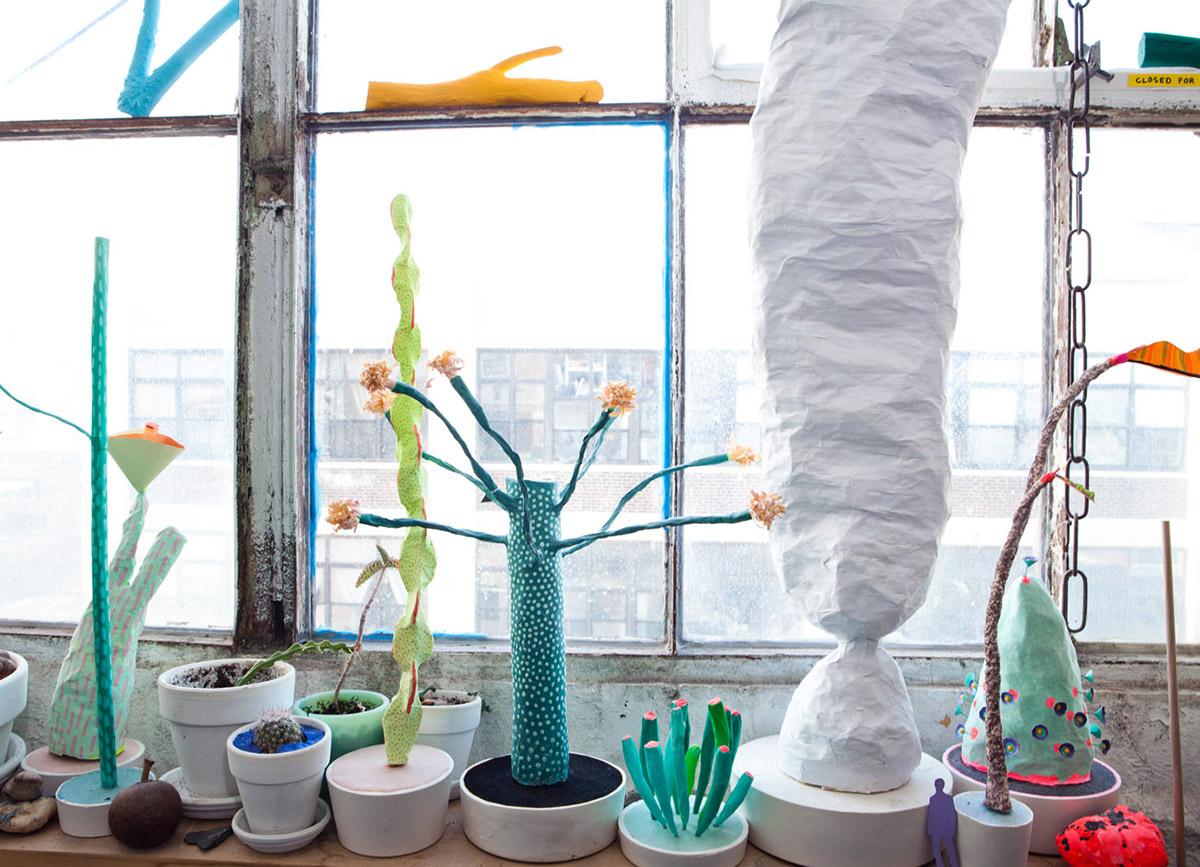
Partners in both life and work, Terri Chiao and Adam Frezza share a studio in Bushwick, Brooklyn, where they run an art practice together as well as a design company called Chiaozza. Yet the first two things they ever collaborated on belonged to neither of those disciplines: One was a stew they made for dinner soon after they began dating — which took so long to cook that joking about it inspired their eventual website name, eternitystew.com — and the other was the pancakes they made the next morning. “We were fascinated by their topography, so we took some printmaking ink, inked up a pancake, and started making monoprints with them,” Frezza recalls. “That was when it began, this idea of turning our everyday life and domestic play into some kind of product or work.” Two and a half years later, it’s still the motivation underlying many of their colorful projects, which they characterize as existing at the "intersection of imagination and the natural world."
More

OBJECTS, Curated by Joel Evey

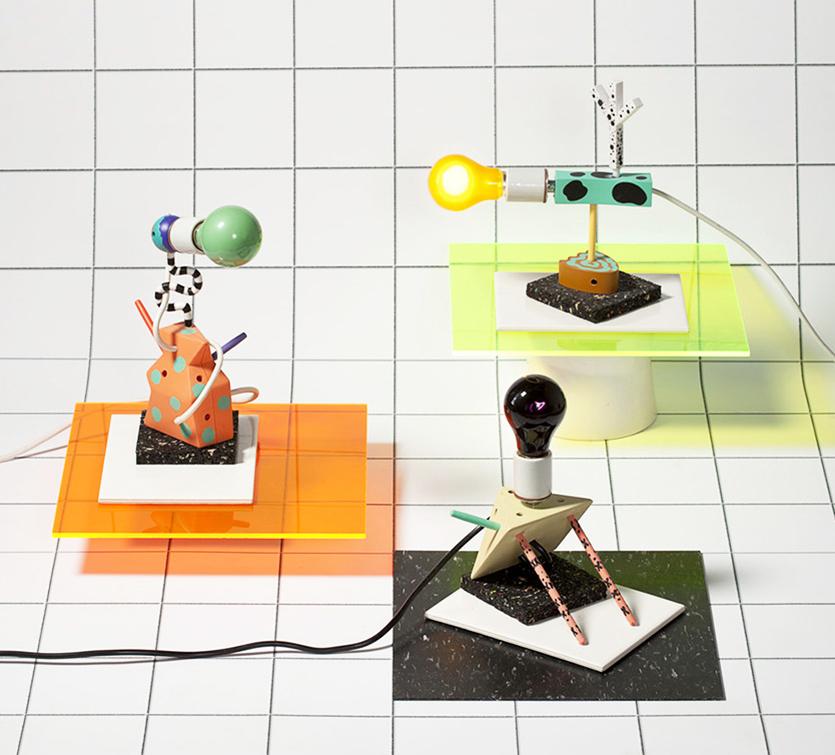
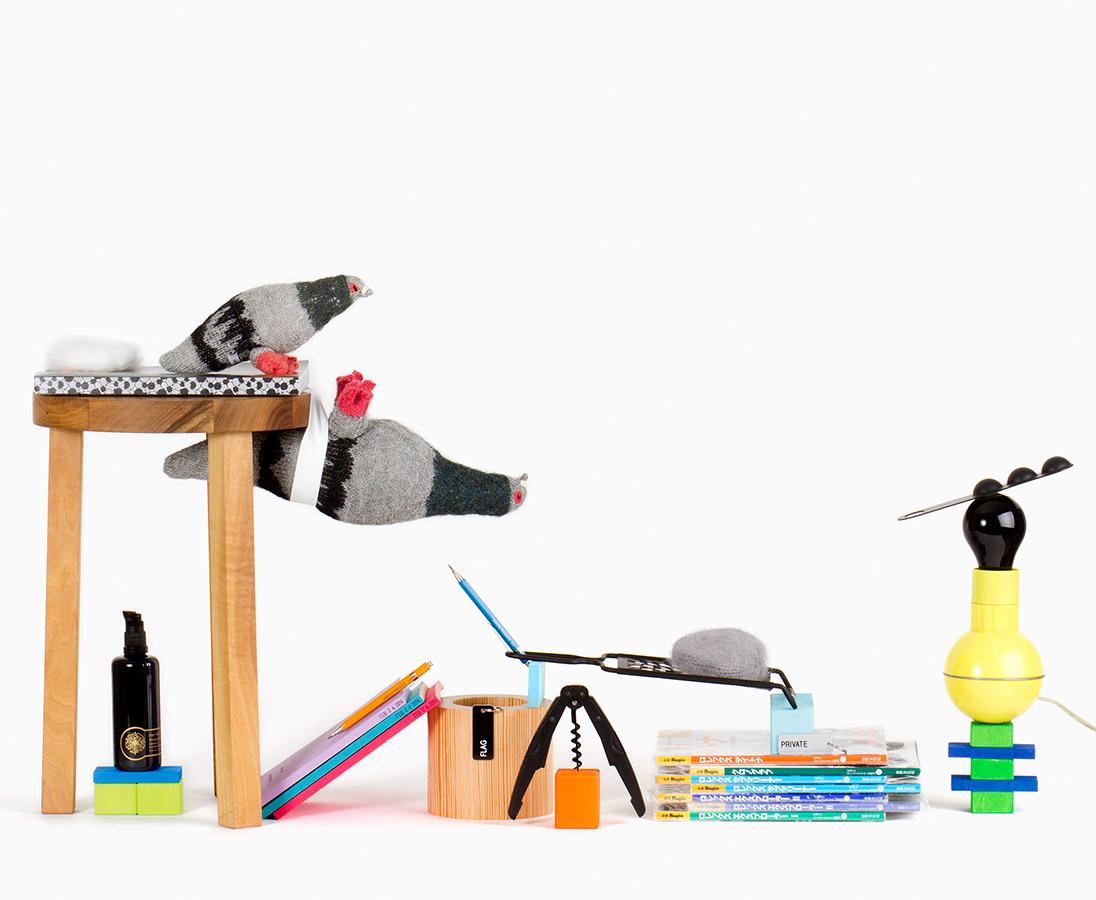
OBJECTS began, as so many great things do, with Philadelphia-based graphic designer Joel Evey playing around with tool dip: A series of plastic-splattered lamps he made from grappling hooks gave way to an ambiguous dipped "kitchen tool" and, eventually, the curiosity as to how other genre-bending artists and designers he knew and admired were approaching issues of functionality. Last year, he reached out to half a dozen of those peers — ROLU, Chen Chen and Kai Williams, Eric Timothy Carlson, Brendan Timmins, and Alex da Corte — and invited each of them to present him with a piece that redefined or recontextualized the idea of a utilitarian object for the home. "It was loose and broad, but intentionally so," he says. "The point was to ask people who already existed within this playing field to do something that danced around the idea. The results are all very different."
More

Field Experiments

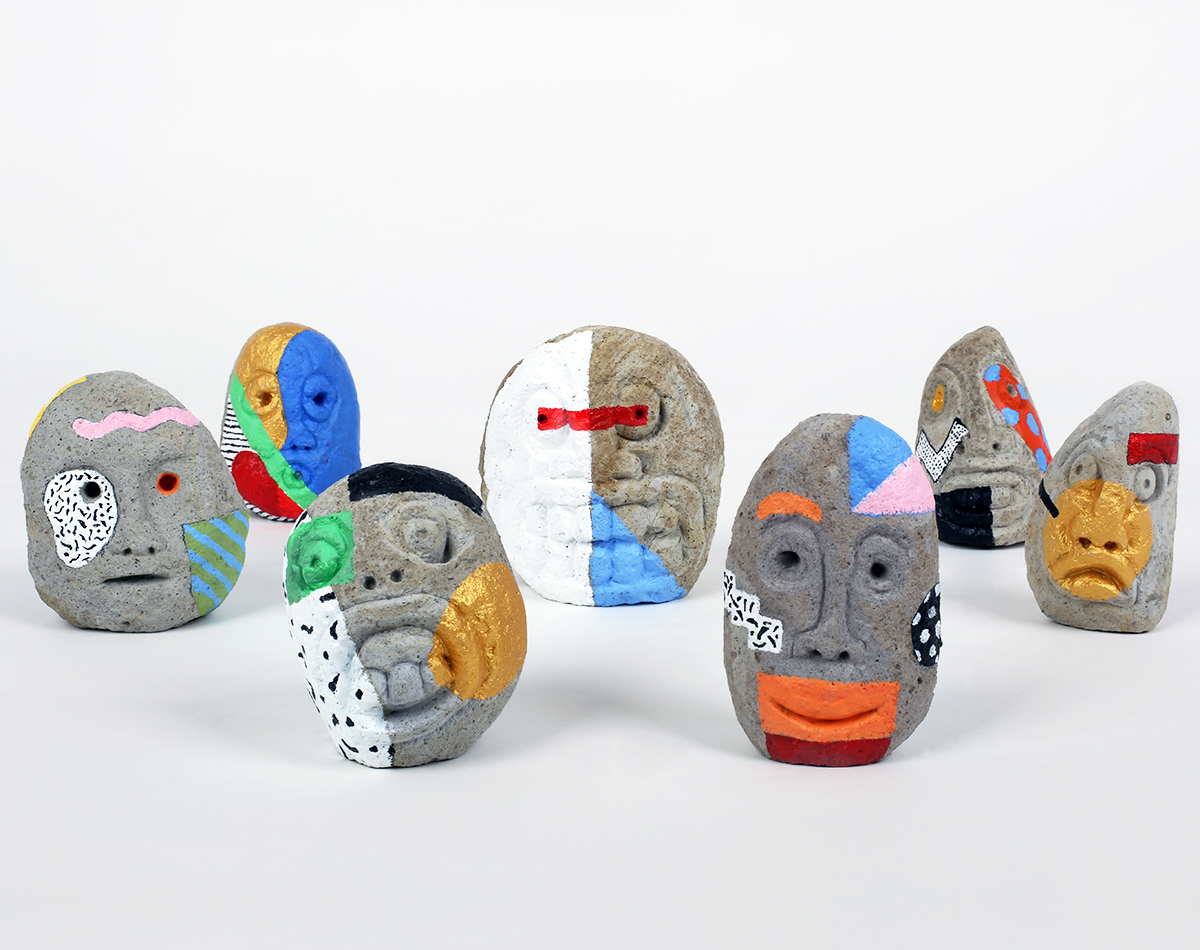
From June to September 2013, Benjamin Harrison Bryant (New York), Paul Marcus Fuog (Melbourne) and Karim Charlebois-Zariffa (Montreal) set up a studio in Lodtunduh, a farming community on the outskirts of Ubud in Bali, where they generated a trove of conceptual works through daily experimentation. They collaborated with local stonemasons, woodcarvers, batik-makers, kite designers, and painters, all while "absorbing the sights and sounds of everyday Balinese life and documenting commonplace objects, agricultural implements, traditional dress, and makeshift items from the local culture," they write on the project's website. The result is a collection of more than 100 handmade objects meant to "challenge the traditional notion of the souvenir." At Sight Unseen OFFSITE, the collective will present these Field Experiments for the first time, including sketches, photographs, and personal stories from the makers.
More

Preview the 2014 Show!

Back in March, we gave you a small taste of what was to come at Sight Unseen OFFSITE, our brand new nomadic design fair opening May 16 at 200 Lafayette Street in New York's Soho neighborhood. But a lot has happened since then! Most notably, we've brought some exciting partners on board and finalized our official lineup, which is now packed with more than 50 independent designers and forward-thinking brands, all of whom have been hand-picked by the editors at Sight Unseen. Open to the public May 16 to 20 — during the hours of 12PM to 7PM Friday and 11AM to 7PM Saturday through Tuesday — Sight Unseen OFFSITE is New York design week's most exciting platform for new ideas and talents. Check out a small preview after the jump of some of the works that will be on view during the show, then join us next weekend to see it in person!
More

Project No. 8’s New Website

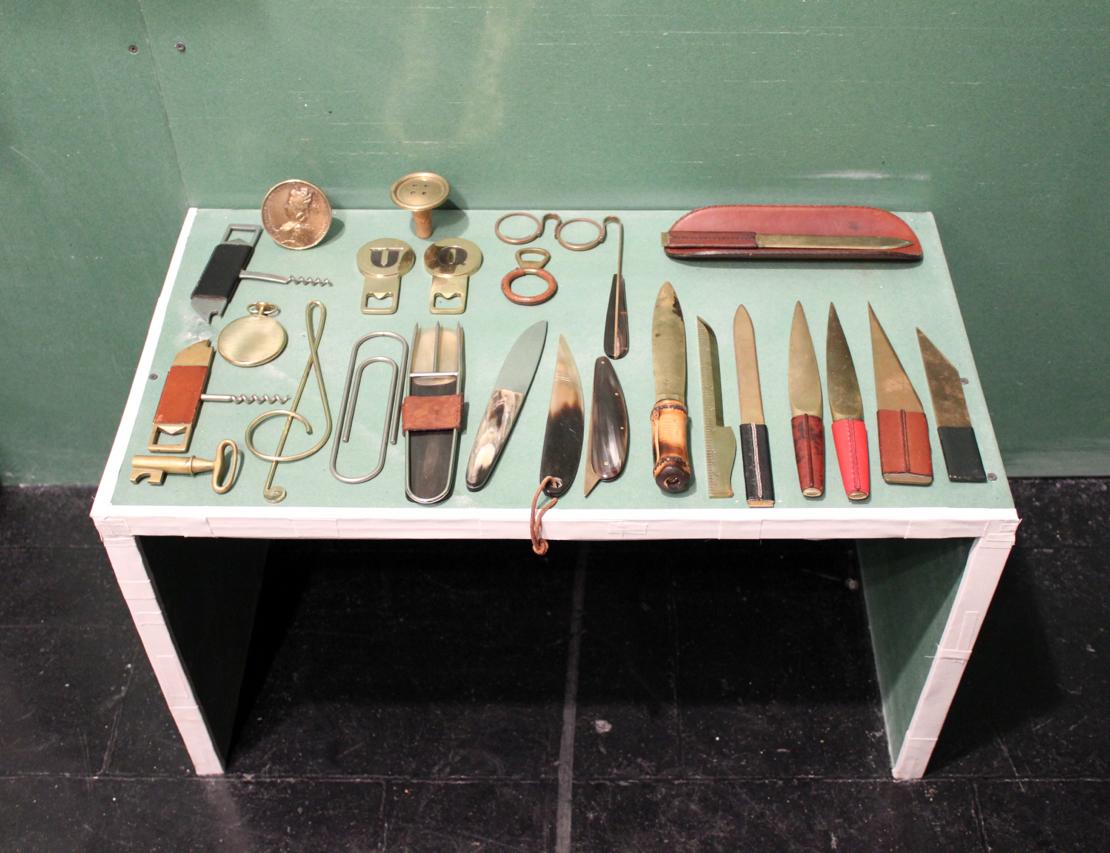
For years, fans of the New York concept shop Project No. 8 have been begging its founders, Brian Janusiak and Elizabeth Beer, to expand beyond their LES flagship and Ace Hotel annex and open more stores. But the pair have consistently refused, because they knew all along exactly where their next location needed to be: online. Their original website launched in 2006, but they'd recently grown so frustrated with its outdated design that they'd stopped updating it all together; this weekend, they quietly launched projectno8.com 2.0, a brand new site that's truer to their current inventory and that effectively leapfrogs them over eight years of e-commerce evolution. Greeting visitors to the homepage is a slideshow of still-life images by New York photographer Clemens Kois, who met Janusiak when the pair collaborated on Carl Aubock: The Workshop — we asked each of them to tell us a little bit more about the project.
More

Week of April 28, 2014

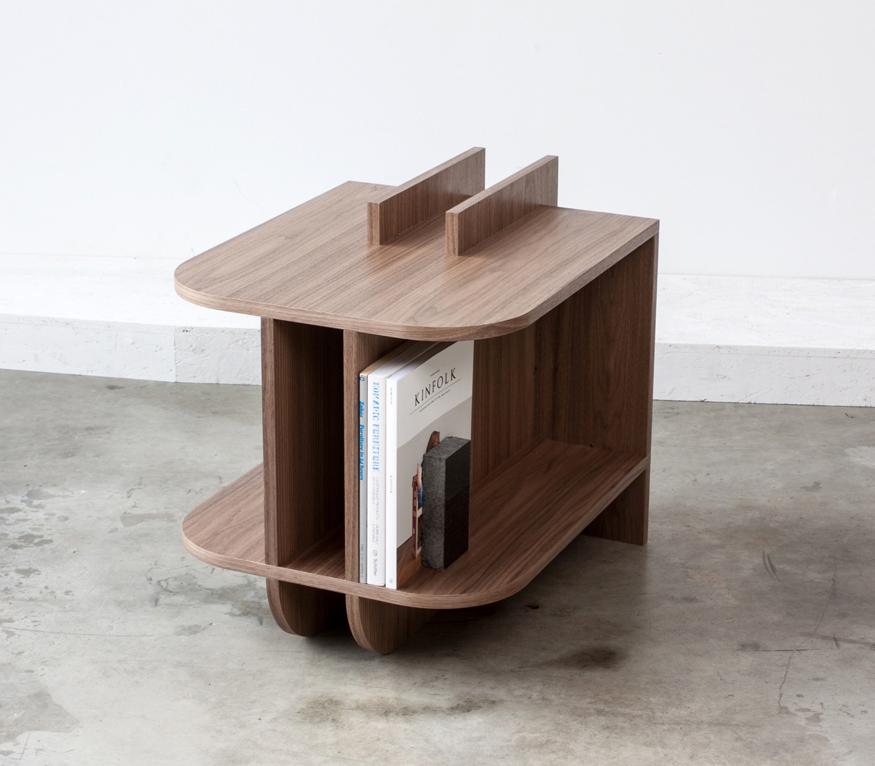
A weekly Saturday recap to share with you our favorite links, discoveries, exhibitions, and more from the past seven days. This week: a website that treats industrial supplies as art, an exhibition that treats styrofoam scraps as furniture, and a side table (pictured above) that comes in three flat-pack, numerically based configurations, each more beautiful than the next.
More

The Past Is Never Dead, by Philipp Schenk-Mischke and Matthias Klas

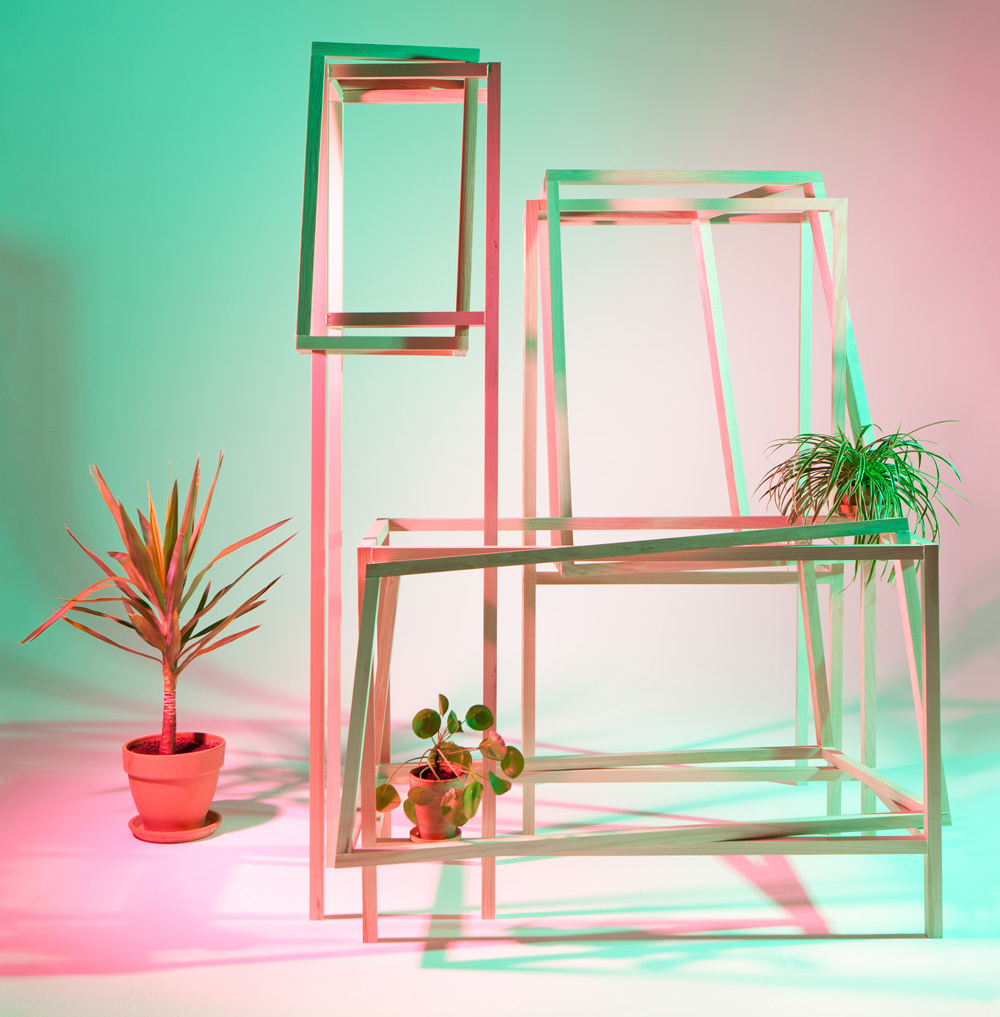
The Past Is Never Dead is the thesis project of Philipp Schenk-Mischke and Matthias Klas — soon to be graduates of the University of Applied Sciences in Darmstadt, Germany — and as such it has the required amount of critical thinking to back it up: "Taking an object and shifting the focus from form and use to the thoughts it provokes was the starting point of this project," the designers write. The shape of their Cabinets (above), they add, "comes from the metaphor of breaking conventions: parallel ash frames stand for the stuck structures of today's world while skewed lines ... try to break free from common notions to discover the new." That's all well and good, but we think all you need to understand this work is two eyeballs. We're looking forward to using them to see what the pair does next.
More

Chen Chen and Kai Williams at Design Days Dubai

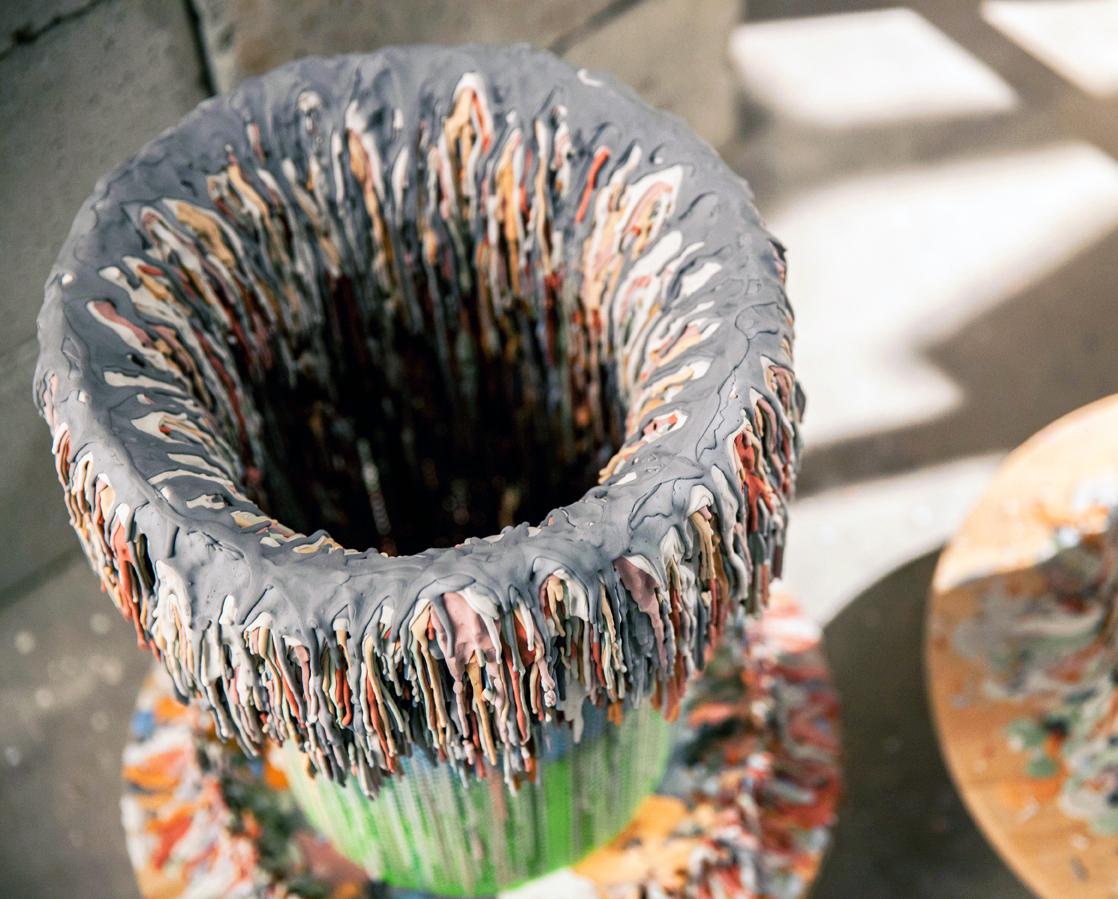
When Brooklyn design duo Chen Chen and Kai Williams — known for their eccentric experimentation with materials — headed to Brazil two years ago for a residency with the gallery Coletivo Amor de Madre, they learned an important lesson the hard way: Don’t show up in a far-flung country expecting to source all your fabrication supplies at the drop of a hat. Invited to join the same gallery last month for an interactive installation at Design Days Dubai, they brought from home many of the materials they needed to make their new Moonmilk vessels (above), which they constructed live in their show booth from pigmented quick-dry cement slowly dripped onto a substrate. They also left time before the show began to scout working-class areas where, says Chen, “instead of big box stores like Home Depot, you’ll see an entire neighborhood in which one shop only sells plastic and another shop is a carpenter inside this little storefront, where you can say ‘I need pieces of wood cut to this size,’ and he’ll cut it for you.” The rest of their eight-day trip was spent making — and exploring.
More